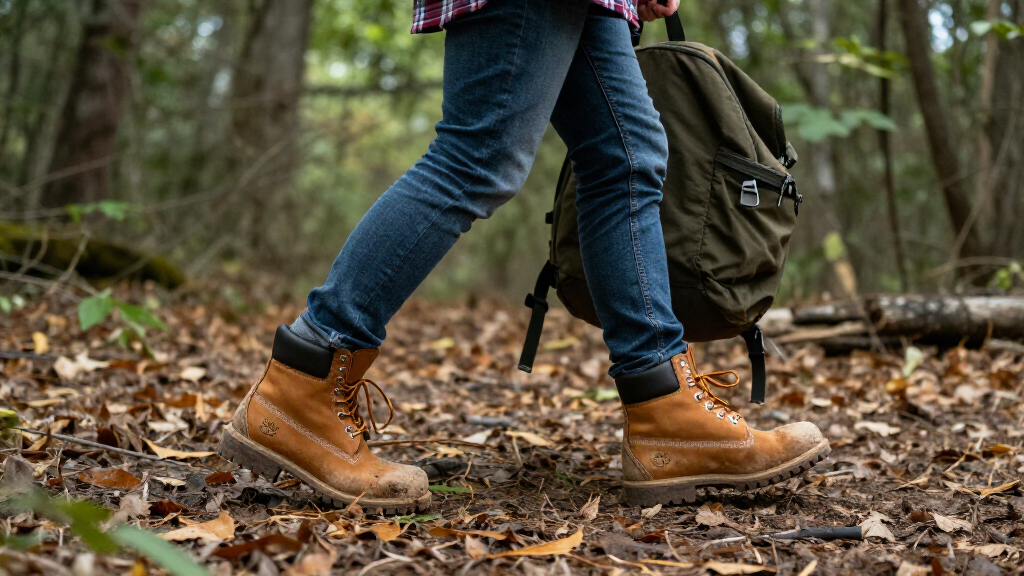

The best Timberland boots depend on whether you need an everyday waterproof boot, a hiking-focused option, or the brand’s classic 6-inch style. I’d put the Britton Road Waterproof Boot first for its balance of everyday versatility and wet-weather protection; the Premium 6-Inch Waterproof Boot stands out for classic styling, while the White Ledge Mid is the more trail-oriented choice. The tradeoff is that sturdy waterproof boots can feel heavier and warmer than casual footwear, while lighter hikers may give up some everyday polish. Fit, intended terrain, and how much structure you want matter more than choosing by appearance alone. Read on for how the eight options compare and which Timberland boot best fits your needs.

Get your wardrobe favorites delivered free with Prime
- Fast, free delivery on millions of items
- Prime Video, Amazon Music and more included
- Member-only deals all year
Key Takeaways
- Britton Road Waterproof is the strongest everyday all-rounder in this lineup, while the Britton Road Mid Chelsea prioritizes easy on-and-off wear.
- The Premium 6-Inch Waterproof is the clearest pick for Timberland’s classic, substantial look; its taller, more structured build is less suited to buyers seeking a light boot.
- The two White Ledge Mid Waterproof Hiking Boots listings describe the same model, so they do not represent two distinct designs to compare.
- Flume Mid and White Ledge Mid are the hiking-oriented choices; buyers focused on casual wear may prefer the more lifestyle-led Earthkeeper or Britton Road models.
- Waterproofing is useful for rain and damp ground but can make a boot less comfortable in warm conditions, so climate and use should guide the choice.
| Timberland Britton Road Mid Chelsea Boot |  | Best Pull-On Boot | Upper: Premium Timberland leather | Lining: ReBOTL fabric made with 50% recycled PET | Midsole: EVA | VIEW LATEST PRICE | See Our Full Breakdown |
| Timberland Men’s White Ledge Mid Waterproof Hiking Boots |  | Best for Trail Hiking | Upper: Waterproof premium leather | Lining: ReBOTL fabric | Shaft: Mid height | VIEW LATEST PRICE | See Our Full Breakdown |
| Timberland Men’s Earthkeeper 6-Inch Lace-Up Boot |  | Best for Recycled Materials | Upper: 100% full-grain leather | Lining: 50% recycled PET | Laces: 100% recycled PET | VIEW LATEST PRICE | See Our Full Breakdown |
| Timberland Men’s Premium 6-Inch Waterproof Boot |  | Best for Cold, Wet Weather | Upper: Nubuck leather | Height: Ankle | Waterproofing: Seam-sealed construction | VIEW LATEST PRICE | See Our Full Breakdown |
| Timberland Men’s Britton Road Waterproof Boot |  | Best for Everyday Wet-Weather Wear | Shaft height: Ankle | Shaft circumference: 9.75 inches | Waterproofing: Yes; seam-sealed construction | VIEW LATEST PRICE | See Our Full Breakdown |
| Timberland Redwood Falls Waterproof |  | Best for Cold, Wet Weather | Sole material: Rubber | Shaft height: Ankle | Shaft circumference: 9.75 inches | VIEW LATEST PRICE | See Our Full Breakdown |
| Timberland Men’s Flume Mid Waterproof Hiking Boot |  | Best for Straightforward Hiking | Sole material: Rubber | Shaft height: Mid | Shaft circumference: 9.25 inches | VIEW LATEST PRICE | See Our Full Breakdown |
| Timberland Men’s White Ledge Mid Waterproof Hiking Boots | 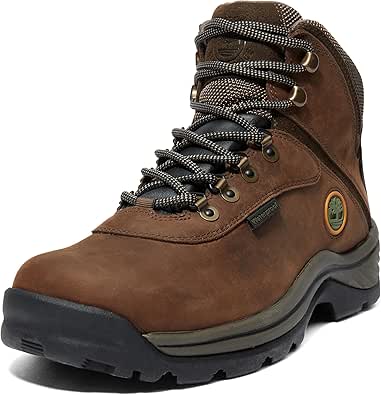 | Best for Traction on Wet Trails | Origin: Imported | Sole material: Rubber | Shaft height: Ankle | VIEW LATEST PRICE | See Our Full Breakdown |
| Timberland boot | Upper | Lining | Waterproofing | Shaft circumference |
|---|---|---|---|---|
| Timberland Britton Road Mid Ch | Premium Timberland leather | ReBOTL fabric made with 50% recycled PET | Seam-sealed construction | 9.75 inches |
| Timberland Men’s White Ledge M | Waterproof premium leather | ReBOTL fabric | — | — |
| Timberland Men’s Earthkeeper 6 | 100% full-grain leather | 50% recycled PET | — | — |
| Timberland Men’s Premium 6-Inc | Nubuck leather | — | Seam-sealed construction | — |
| Timberland Men’s Britton Road | — | — | Yes; seam-sealed construction | 9.75 inches |
| Timberland Redwood Falls Water | — | Leather | Seam-sealed construction | 9.75 inches |
| Timberland Men’s Flume Mid Wat | Waterproof Timberland leather | Mesh | — | 9.25 inches |
| Timberland Men’s White Ledge M | Waterproof Premium Timberland Leather | ReBOTL fabric | Seam-sealed construction | 9.75 inches |
More Details on Our Top Picks
Timberland Britton Road Mid Chelsea Boot
The Britton Road Mid Chelsea is the easiest pick here for buyers who want weather protection without laces. Its seam-sealed waterproof build and PrimaLoft insulation suit cold, wet commutes, while the EVA midsole adds cushioning for long days on your feet. Compared with the lace-up Timberland Premium 6-Inch Waterproof Boot, it has a cleaner pull-on profile and less hardware to manage, but gives up the familiar lace adjustment that can help fine-tune fit. The leather and rubber lug outsole bring durability and grip, though the boot may feel heavier than a lighter synthetic option. I’d choose it for everyday wear in unsettled weather, not for buyers prioritizing a lightweight hiking boot.
Pros:- Pull-on Chelsea design is convenient for frequent on-and-off wear
- Seam-sealed waterproof construction helps keep feet dry
- PrimaLoft insulation adds warmth in cold conditions
- EVA midsole and rubber lug outsole support cushioned, grippy everyday wear
Cons:- May feel heavy compared with synthetic footwear
- Pull-on fit offers less adjustment than lace-up models
Best for: Commuters and everyday wearers who want a warm, waterproof leather boot that slips on without laces
Not ideal for: Hikers who need lace-adjustable ankle lockdown or buyers who prioritize the lightest possible footwear
- Upper:Premium Timberland leather
- Lining:ReBOTL fabric made with 50% recycled PET
- Midsole:EVA
- Outsole:Rubber lug
- Waterproofing:Seam-sealed construction
- Insulation:PrimaLoft
- Shaft:Ankle height
- Shaft circumference:9.75 inches
Our verdict“Choose this Chelsea if easy entry, insulation, and waterproof leather matter more than lace-adjustable fit or low weight.”
Timberland Men’s White Ledge Mid Waterproof Hiking Boots
The White Ledge Mid Waterproof is the most trail-oriented choice in this group, pairing waterproof leather with a gusseted tongue and multidirectional outsole lugs. That combination is better suited to hikes on wet or uneven ground than the city-focused pull-on Britton Road Mid Chelsea, whose slip-on design does not offer the same lace adjustment. Rustproof speed-lace hardware and hooks also make it easier to secure the boot for outdoor use. An EVA footbed and midsole provide cushioning, but the leather build may feel heavy over extended wear. I’d put this ahead of the dressier options for day hikes, while buyers seeking a warm insulated boot should look at the Premium 6-Inch instead.
Pros:- Waterproof premium leather upper is suited to wet trail conditions
- Gusseted tongue helps limit debris and water entry
- Multidirectional rubber lugs provide grip on varied surfaces
- Rustproof speed-lace hardware and hooks support secure lacing
Cons:- May feel heavy during long hikes
- No insulation is listed for cold-weather comfort
Best for: Day hikers who need a waterproof leather boot with adjustable lacing and traction for varied outdoor paths
Not ideal for: Buyers seeking a lightweight walking shoe or built-in insulation for cold-weather use
- Upper:Waterproof premium leather
- Lining:ReBOTL fabric
- Shaft:Mid height
- Footbed:EVA
- Midsole:EVA
- Outsole:Rubber with multidirectional lugs
- Hardware:Rustproof speed-lace hardware and lace hooks
- Tongue:Gusseted
Our verdict“Pick the White Ledge for laced waterproof support and trail traction, but look elsewhere if warmth or low weight is your priority.”
Timberland Men’s Earthkeeper 6-Inch Lace-Up Boot
The Earthkeeper 6-Inch stands out for its material choices: recycled PET appears in the lining and laces, and the outsole contains 15% recycled rubber. Its full-grain leather upper and removable anti-fatigue footbed make it a more traditional lace-up option than the pull-on Britton Road Mid Chelsea, with a footbed that can be removed for care or replacement. Unlike the waterproof, insulated Premium 6-Inch, however, the supplied details do not list seam-sealed waterproofing or insulation, so I would not choose it as the strongest cold-and-wet-weather pick. Sizing needs attention too: Timberland recommends ordering one size down from your usual sneaker size. That caveat makes it less straightforward than the other lace-up choices.
Pros:- Full-grain leather upper offers a rugged, traditional boot construction
- Lining and laces use recycled PET
- Removable anti-fatigue footbed allows removal or replacement
- Outsole contains 15% recycled rubber
Cons:- Waterproofing and insulation are not specified
- Recommended sizing differs from usual sneaker size
- Lace-up design takes longer to put on than the Britton Road Chelsea
Best for: Buyers who value full-grain leather, recycled components, and a removable comfort footbed for everyday wear
Not ideal for: People needing confirmed waterproofing or insulation, and shoppers unwilling to check the recommended size adjustment
- Upper:100% full-grain leather
- Lining:50% recycled PET
- Laces:100% recycled PET
- Footbed:Removable anti-fatigue
- Outsole:Synthetic with 15% recycled rubber
- Weight:1 lb 3 oz per boot in size 9
- Sizing guidance:Order one size down from usual sneaker size
Our verdict“Choose the Earthkeeper for recycled components and a removable footbed, not as your first choice for wet or cold conditions.”
The Premium 6-Inch Waterproof Boot is the strongest match here for buyers facing cold, wet conditions: it combines seam-sealed construction with 400 g PrimaLoft insulation. That makes it a warmer, more weather-focused choice than the uninsulated White Ledge hiking boot, while the Goodyear welt adds a durable construction point for long-term wear. Its anti-fatigue sole is designed to return energy underfoot, which may help during full days on your feet. The tradeoff is a substantial build: insulation, leather, and robust construction add weight compared with the Earthkeeper. I’d choose this over the Britton Road boots when warmth and classic lace-up coverage matter most, but skip it if you want a light boot for mild weather.
Pros:- Seam-sealed construction provides waterproof protection
- 400 g PrimaLoft insulation adds warmth
- Goodyear welt construction supports durability
- Anti-fatigue sole is designed for all-day comfort and energy return
Cons:- Robust construction and insulation make it relatively heavy
- May feel too warm for mild or warm-weather use
Best for: People who need an insulated, waterproof leather boot for cold commutes and prolonged outdoor wear
Not ideal for: Warm-climate buyers or anyone looking for a lightweight boot for casual walking
- Upper:Nubuck leather
- Height:Ankle
- Waterproofing:Seam-sealed construction
- Insulation:400 g PrimaLoft
- Construction:Goodyear welt
- Sole:Rubber with 10% plant-based material
- Comfort technology:Anti-fatigue sole
- Origin:Imported
Our verdict“Choose the Premium 6-Inch when waterproof warmth and durable construction outweigh the added weight.”
Timberland Men’s Britton Road Waterproof Boot
The Britton Road Waterproof Boot takes a simpler route to wet-weather comfort than the Premium 6-Inch: it pairs seam-sealed leather with PrimaLoft insulation and anti-fatigue support, without the listed Goodyear welt construction or 400 g insulation specification of that model. Its ankle-height profile and rubber sole suit everyday use when rain and cool temperatures are more common than demanding trail conditions. Compared with the matching Britton Road Mid Chelsea, this version is the better fit for buyers who prefer a conventional boot rather than pull-on entry; the tradeoff is that the available specs give fewer material details, including no stated upper composition. I’d favor it for practical daily wear, but not for shoppers who want the most fully documented build or a lightweight option.
Pros:- Waterproof construction is suited to wet conditions
- PrimaLoft insulation adds warmth
- Anti-fatigue technology supports extended wear
- Rubber sole provides a durable everyday base
Cons:- Available details do not specify the upper material or construction method
- May feel heavy to buyers seeking a lighter daily boot
- No trail-specific traction details are provided
Best for: Everyday wearers seeking an ankle-height waterproof boot with insulation and anti-fatigue support for wet, cool conditions
Not ideal for: Buyers who need detailed leather or construction specifications, or a boot optimized for strenuous hiking
- Shaft height:Ankle
- Shaft circumference:9.75 inches
- Waterproofing:Yes; seam-sealed construction
- Insulation:PrimaLoft
- Sole material:Rubber
- Leather lining:Yes
- Comfort technology:Anti-fatigue
- Origin:Imported
Our verdict“Pick this Britton Road for insulated waterproof everyday wear, while choosing the Premium 6-Inch for more clearly specified construction and insulation details.”
Timberland Redwood Falls Waterproof
The Redwood Falls Waterproof is the strongest fit here for buyers who need warmth as well as rain protection. Its seam-sealed waterproof construction helps keep water out, while PrimaLoft insulation adds warmth without relying on a lining that loses its purpose when damp. Anti-fatigue support also makes it better suited to long days on foot than a basic waterproof boot. Compared with the Timberland Men’s Flume Mid Waterproof Hiking Boot, this model puts more emphasis on insulation and underfoot comfort than on a mesh-lined, straightforward hiking setup. That extra weather protection comes with tradeoffs: it may feel heavier than non-waterproof options, and the premium materials can make it a less economical choice. Limited color choices also narrow the style range.
Pros:- Seam-sealed waterproof construction helps protect feet in wet conditions
- PrimaLoft insulation retains warmth even when wet
- Anti-fatigue technology supports comfort during long days on foot
- Premium leather construction is described as supporting sustainable sourcing
Cons:- May feel heavier than non-waterproof alternatives
- Premium materials may make it a costlier choice than simpler waterproof boots
- Limited color options restrict style choice
Best for: Hikers and outdoor workers who need insulated warmth, waterproofing, and supportive comfort for extended time outside in cold, wet conditions
Not ideal for: Warm-weather hikers or buyers prioritizing a lightweight boot, since the waterproof build and insulation can add weight
- Sole material:Rubber
- Shaft height:Ankle
- Shaft circumference:9.75 inches
- Lining:Leather
- Insulation:PrimaLoft
- Waterproofing:Seam-sealed construction
- Support feature:Anti-fatigue technology
Our verdict“Choose the Redwood Falls if warmth and all-day support matter more to you than keeping weight and styling options to a minimum.”
Timberland Men’s Flume Mid Waterproof Hiking Boot
The Flume Mid Waterproof keeps its focus on practical trail use: waterproof Timberland leather, a fully gusseted tongue to help limit debris and water entry, and a rubber sole for grip. Its mesh lining and EVA footbed give it a simpler, less insulated setup than the Timberland Redwood Falls Waterproof, making the Flume a more direct choice for hikers who do not need added warmth. Rustproof speed-lace hardware is useful when lacing and unlacing often, while the mid-height shaft offers more coverage than a low shoe. The tradeoff is a feature set that prioritizes basic protection over specialized comfort or insulation. It may also feel heavy to some wearers, and the limited color range leaves fewer style options.
Pros:- Waterproof Timberland leather upper helps keep feet dry
- Fully gusseted tongue helps reduce water and debris entry
- Rubber sole provides a durable base for outdoor use
- EVA footbed adds cushioning underfoot
Cons:- May feel heavy for some hikers
- Mesh lining and EVA footbed do not provide the insulation of the Redwood Falls
- Limited color options
Best for: Day hikers who want a mid-height waterproof leather boot with a cushioned footbed and do not need built-in insulation
Not ideal for: Cold-weather hikers looking for insulation or buyers who want a lighter-feeling boot for fast, warm-weather walks
- Sole material:Rubber
- Shaft height:Mid
- Shaft circumference:9.25 inches
- Upper:Waterproof Timberland leather
- Lining:Mesh
- Insole:EVA footbed
- Tongue:Fully gusseted
- Lacing hardware:Rustproof speed lace hardware
Our verdict“Pick the Flume for uncomplicated, waterproof day hiking when you want a mid boot without the Redwood Falls’ insulated focus.”
Timberland Men’s White Ledge Mid Waterproof Hiking Boots
The White Ledge Mid earns its place through a trail-oriented outsole and a useful mix of waterproofing and cushioning. Its multi-directional rubber lugs are designed to provide traction across varied surfaces, while seam-sealed waterproof leather and a fully gusseted tongue help keep wet conditions from ending a hike early. The EVA footbed and midsole offer cushioning without the added insulation found in the Timberland Redwood Falls Waterproof, so this is the more natural fit for three-season outings rather than cold-weather use. ReBOTL fabric in the lining adds recycled material to the construction. One drawback is that the boots may need a break-in period before they feel comfortable; buyers seeking immediate softness or insulated warmth may prefer another option.
Pros:- Seam-sealed waterproof leather helps protect against wet conditions
- Multi-directional rubber lugs are designed for traction on varied surfaces
- EVA footbed and midsole provide cushioning
- ReBOTL fabric lining incorporates recycled material
Cons:- May require a break-in period before reaching full comfort
- Lacks the PrimaLoft insulation found in the Redwood Falls
- Ankle-height shaft offers less coverage than a mid-height boot
Best for: Three-season hikers who prioritize waterproof protection, lugged traction, and EVA cushioning on varied trails
Not ideal for: Buyers who need insulated boots for cold conditions or hikers who want a boot that feels fully broken in from the first wear
- Origin:Imported
- Sole material:Rubber
- Shaft height:Ankle
- Shaft circumference:9.75 inches
- Upper:Waterproof Premium Timberland Leather
- Lining:ReBOTL fabric
- Waterproofing:Seam-sealed construction
- Midsole and footbed:EVA
- Outsole tread:Multi-directional rubber lugs
Our verdict“Choose the White Ledge for waterproof hiking with lugged traction and cushioning, provided you can allow time for break-in and do not need insulation.”

How We Picked
I compared the listed boots by intended use, waterproof protection, height and support, closure style, and how easily each design can move between daily wear and outdoor use. I also weighed practical tradeoffs: a heavier, more structured boot can feel reassuring in poor weather, but may be less comfortable for long periods indoors or in warm climates. Because the lineup includes both hiking boots and casual styles, I ranked each model by how clearly it serves its main buyer rather than treating one design as right for everyone.
The ranking favors versatility first, then distinct strengths for classic styling, hiking, and easy wear. The Britton Road Waterproof leads as the most balanced everyday option; the Premium 6-Inch earns a place for its recognizable style and substantial build, while the White Ledge and Flume are better matched to trail use. The White Ledge appears twice in the supplied list, so I treat those entries as one model rather than inventing a difference between duplicate listings.
| Timberland boot | Waterproofing | Shaft height |
|---|---|---|
| Timberland Britton Road Mid Ch | Seam-sealed construction | — |
| Timberland Men’s White Ledge M | — | — |
| Timberland Men’s Earthkeeper 6 | — | — |
| Timberland Men’s Premium 6-Inc | Seam-sealed construction | — |
| Timberland Men’s Britton Road | Yes; seam-sealed construction | Ankle |
| Timberland Redwood Falls Water | Seam-sealed construction | Ankle |
| Timberland Men’s Flume Mid Wat | — | Mid |
| Timberland Men’s White Ledge M | Seam-sealed construction | Ankle |
Factors to Consider When Choosing Best Timberland Boots
Before choosing a Timberland boot, match its build to the way you will actually wear it. The right choice depends on more than whether it is waterproof: terrain, temperature, walking duration, fit, and how much maintenance you are willing to do all affect comfort and value.
Choose the boot for your main setting
Start with where the boots will spend most of their time, not the occasional trip they might take. Hiking-focused designs make more sense for uneven ground and outdoor routes, while Chelsea and lace-up lifestyle boots are easier to pair with everyday clothing. A common mistake is buying a trail-oriented boot for mostly indoor or city wear, where its more rugged build may feel unnecessary. The reverse mistake is expecting a casual boot to provide the feel and support you want on long, rough walks. If your week includes both settings, prioritize the one that demands more from the boot and accept that a single pair may not excel everywhere.
Treat waterproofing as a use-case choice
Waterproof construction is helpful in frequent rain, slush, and wet grass, but it is not automatically the best feature for every climate. A boot that limits water entry can also retain more warmth, which may feel uncomfortable during hot weather or extended indoor wear. Think about how often you encounter wet conditions and whether you can let boots dry fully between uses. Do not assume waterproof means maintenance-free: dirt, worn materials, and neglected care can still affect the boot’s condition. If your daily environment is mostly dry and warm, comfort and airflow may matter more than maximum weather protection.
Compare support with weight and flexibility
A taller, more structured boot can feel more secure and provide extra coverage, but it may also take more effort to wear all day. For short commutes and occasional use, that tradeoff may be acceptable; for long walks, weight and flexibility become much more noticeable. Match the boot’s structure to your route, the load you carry, and how stable you want your footwear to feel. Avoid choosing a boot solely because it looks rugged if your real use is light daily walking. When possible, try it on with the socks you expect to wear, since a close fit can become uncomfortable once feet warm or swell.
Get fit right before judging comfort
Boot sizing can feel different from sneaker sizing because the upper, lining, and toe shape affect how the foot sits. Check for enough toe room while keeping the heel secure; excess movement can cause rubbing, while a cramped toe box can become more noticeable over a full day. Try boots later in the day if your feet tend to swell, and use your usual boot socks during the fit check. Do not count on a painful fit becoming comfortable simply through wear. If you are between sizes, consult the specific model’s sizing guidance and return terms rather than assuming every Timberland style fits identically.
Pay more for a feature you will use
Higher-cost choices make the most sense when their construction or style solves a real need, such as regular wet-weather wear or a particular classic look you plan to keep using. A more premium appearance is not a substitute for the right fit, and extra structure can be wasted if you only need a light casual shoe. Set priorities before comparing models: weather protection, trail use, easy entry, or a specific silhouette. Also factor in care supplies and drying time, since keeping leather and waterproof materials in good shape takes attention. The best value is the boot that suits your routine without paying for features that rarely leave the closet.
Frequently Asked Questions
Which Timberland boot in this lineup is the best choice for everyday wear?
The Britton Road Waterproof Boot is the most balanced everyday choice here because it combines a versatile boot style with wet-weather protection. If you prefer a slip-on feel and quicker entry, the Britton Road Mid Chelsea offers a different kind of convenience. The Premium 6-Inch is a better match if the recognizable classic look matters more than a lighter feel. Think about how often you walk in rain and how much time you spend indoors before choosing a waterproof build. Fit should be the final deciding factor between styles that otherwise meet your needs.
Are the White Ledge and Flume suitable for regular hiking?
Both are the hiking-oriented options in this roundup, so they make more sense for outdoor routes than the lifestyle-led Chelsea or Earthkeeper styles. Your route still matters: short, maintained paths place different demands on a boot than rocky or uneven terrain. Check the specific fit and support you need rather than assuming a waterproof label alone makes a boot right for every hike. The White Ledge is listed twice in this roundup, but those duplicate entries do not indicate two different versions. For frequent or demanding hikes, compare the boot’s fit and stability against your own needs before committing.
Should I choose the Premium 6-Inch or Britton Road Waterproof?
Choose the Premium 6-Inch if you want a more recognizable, substantial Timberland silhouette and are comfortable with a structured boot. The Britton Road Waterproof is the more versatile direction for buyers who want a boot that can blend into varied everyday use. Neither choice is automatically better for every outfit or routine: the classic style may feel like more boot than some buyers want, while the Britton Road may not deliver the exact traditional look they are seeking. Consider how much walking you do and whether appearance or day-to-day flexibility matters more. A secure, comfortable fit should outweigh small style differences.
Can I wear waterproof Timberland boots in warm weather?
You can, but a waterproof boot may feel warmer than footwear designed for airflow, especially during long walks or indoor use. The effect depends on the weather, your activity level, and the socks you wear. If your climate is hot for much of the year, avoid choosing waterproofing just because it sounds like an upgrade. A less weather-focused style may be more comfortable when rain is rare. For mixed conditions, think about whether the boot will spend more time in wet weather or in warm, dry settings.
Why are there two White Ledge entries, and should I compare them as separate boots?
The supplied product list includes the Timberland Men’s White Ledge Mid Waterproof Hiking Boots twice, with the same model name. There is no stated difference in version or construction, so I would treat them as duplicate listings rather than separate designs. Before buying, check the seller’s exact product details, size availability, and return policy in case the listings differ in ways not shown by the model name. Do not assume the duplicate entry signals an updated model. Compare the White Ledge with the Flume or lifestyle boots instead if you are deciding between distinct boot types.
Conclusion
For most buyers who want one pair for daily wear and wet conditions, I’d choose the Britton Road Waterproof Boot as the best overall pick. The White Ledge Mid is the better fit for hiking-focused use, while the Premium 6-Inch Waterproof suits shoppers who value Timberland’s classic, substantial style. For beginners, I’d start with the Britton Road Waterproof if the main need is a flexible everyday boot, or the White Ledge if outdoor walking is the priority. The Britton Road Mid Chelsea stands out for easy on-and-off wear, and the Flume Mid is another option for buyers who want a hiking-oriented design. Choose by your most common setting and preferred fit—not by the assumption that the most rugged-looking boot will serve every purpose.
Fall Picks
fall essentials
As an affiliate, we earn on qualifying purchases.