Fashion styling books generally fall into two camps: practical wardrobe guides that help you dress better every day, and professional handbooks that teach styling as a craft or career. After comparing 14 titles, my best overall pick is The Curated Closet, because it turns vague “find your style” advice into a repeatable system, which is what most people searching this category actually need. If you want a career-focused angle instead, Fashion Styling (Basics Fashion Design) offers the most structured professional education, while The Ultimate Book of Outfit Formulas wins on sheer usability for daily outfit decisions. The main tradeoff you’ll face is inspirational coffee-table content versus actionable instruction — few books do both well. Keep reading for the full breakdown of where each book excels and who should skip it.

Get your wardrobe favorites delivered free with Prime
- Fast, free delivery on millions of items
- Prime Video, Amazon Music and more included
- Member-only deals all year
Key Takeaways
- Wardrobe-system books like The Curated Closet and The Ultimate Book of Outfit Formulas deliver far more daily value than inspiration-heavy titles like the Little Guides to Style series, which are better as gifts or reference reading.
- Career-minded readers get the most from Fashion Styling (Basics Fashion Design) and Secrets of Stylists — the former teaches fundamentals, the latter reveals how the industry actually operates.
- Classic texts like The Little Dictionary of Fashion offer timeless taste advice but lack modern, body-inclusive guidance; they work best as supplements, not starting points.
- Books promising ‘complete’ coverage (Fashion Design and Styling, Fashion 101) trade depth for breadth — fine for beginners, frustrating for intermediate readers.
- Visual learners should prioritize photo-heavy titles (Styled, The Ultimate Book of Outfit Formulas) over text-dense guides, which demand more patience for less immediate payoff.
| The Ultimate Book of Outfit Formulas: A Stylish Solution to What Should I Wear? |  | Best for Daily Outfit Decisions | Product Type: Book | Primary Focus: Everyday outfit formulas | Skill Level: Beginner-friendly | VIEW ON AMAZON | See Our Full Breakdown |
| The Curated Closet: A Simple System for Discovering Your Personal Style and Building Your Dream Wardrobe |  | Best Overall | Product Type: Book | Primary Focus: Personal style discovery and wardrobe building | Approach: Systematic, exercise-driven workbook style | VIEW ON AMAZON | See Our Full Breakdown |
| How to Build a Fashion Icon: Notes on Confidence from the World’s Only Image Architect | 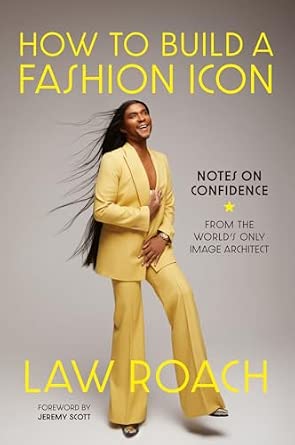 | Best for Personal Branding | Product Type: Book | Primary Focus: Confidence, image, and personal branding | Perspective: Professional image architect | VIEW ON AMAZON | See Our Full Breakdown |
| Fashion Design and Styling: A Complete Guide |  | Best for Aspiring Stylists | Format: Book | Primary Focus: Fashion design and styling fundamentals | Audience: Aspiring designers and stylists | VIEW ON AMAZON | See Our Full Breakdown |
| The Little Dictionary of Fashion: A Guide to Dress Sense for Every Woman |  | Best Timeless Reference | Format: Book | Author: Christian Dior | Primary Focus: Dress sense and timeless style principles | VIEW ON AMAZON | See Our Full Breakdown |
| Fashion Styling: All About Fashion |  | Budget Entry Point | ASIN: B00NUZXDWE | Subject: Fashion styling fundamentals | Format: Book | VIEW ON AMAZON | See Our Full Breakdown |
| Little Guides to Style: The Story of Four Iconic Fashion Houses |  | Best Gift Pick | ASIN: 1787396797 | Series: Little Books of Fashion | Volume: 17 | VIEW ON AMAZON | See Our Full Breakdown |
| The Style Formula: The Art and Science of What to Wear |  | Best for Decision-Fatigue Dressers | ASIN: B0F9F132PQ | Subject: Clothing choice and coordination | Approach: Blend of art and science of dressing | VIEW ON AMAZON | See Our Full Breakdown |
| Larger than Vogue: The Business of Being a Fashion Stylist |  | Best Career Focus | ASIN: B09V5T9RLY | Product Type: Book | Subject: Fashion styling as a business | VIEW ON AMAZON | See Our Full Breakdown |
| Secrets of Stylists: An Insider’s Guide to Styling the Stars |  | Best Behind-the-Scenes Read | ASIN: 0811874656 | Subject: Celebrity and red-carpet styling | Perspective: Working-stylist insider guide | VIEW ON AMAZON | See Our Full Breakdown |
| Fashion 101: Design & Styling Fundamentals – Textures, Patterns, Body Types, and Shaping |  | Best Foundations Primer | Subject: Fashion Design & Styling | Topics: Textures, Patterns, Body Types, Shaping | Skill Level: Beginner | VIEW ON AMAZON | See Our Full Breakdown |
| Little Guides to Style Collection: The History of Eight Fashion Icons |  | Best for Style Inspiration Through History | Series: Little Guides to Style | Subject: Fashion history | Featured Figures: 8 fashion icons | VIEW ON AMAZON | See Our Full Breakdown |
| Fashion Styling (Basics Fashion Design) |  | Best for Aspiring Professionals | Series: Basics Fashion Design | Subject: Fashion styling principles | Approach: Instructional textbook format | VIEW ON AMAZON | See Our Full Breakdown |
| Styled: Inside the World of Fashion Styling |  | Best Behind-the-Scenes Read | Subject: Fashion styling industry | Approach: Behind-the-scenes narrative | Instructional Content: Minimal — contextual rather than how-to | VIEW ON AMAZON | See Our Full Breakdown |
| books about fashion styling | Format | Audience | Subject | Approach |
|---|---|---|---|---|
| The Ultimate Book of Outfit Fo | Print style guide | — | — | Practical, formula-based dressing |
| The Curated Closet: A Simple S | — | — | — | Systematic, exercise-driven workbook style |
| How to Build a Fashion Icon: N | — | — | — | — |
| Fashion Design and Styling: A | Book | Aspiring designers and stylists | — | Educational, broad-scope guide |
| The Little Dictionary of Fashi | Book | Readers of all style levels | — | — |
| Fashion Styling: All About Fas | Book | — | Fashion styling fundamentals | — |
| Little Guides to Style: The St | Compact hardcover-style guide | — | — | — |
| The Style Formula: The Art and | Book | — | Clothing choice and coordination | Blend of art and science of dressing |
| Larger than Vogue: The Busines | — | Career-focused readers | Fashion styling as a business | — |
| Secrets of Stylists: An Inside | Book | Fashion fans, aspiring stylists, image consultants | Celebrity and red-carpet styling | — |
| Fashion 101: Design & Styling | Introductory overview | New learners and self-styled beginners | Fashion Design & Styling | Instructional fundamentals |
| Little Guides to Style Collect | Collection of compact guides | Style enthusiasts and history-curious readers | Fashion history | — |
| Fashion Styling | — | Fashion students and professionals | Fashion styling principles | Instructional textbook format |
| Styled: Inside the World of Fa | — | Industry-curious readers and aspiring stylists | Fashion styling industry | Behind-the-scenes narrative |
More Details on Our Top Picks
The Ultimate Book of Outfit Formulas: A Stylish Solution to What Should I Wear?
The Ultimate Book of Outfit Formulas earns its place by solving the most common styling problem: the daily “what should I wear?” paralysis. Instead of teaching theory the way The Curated Closet does, this book hands readers ready-made combinations they can apply immediately. That makes it the fastest path from wardrobe to outfit on this list.
The tradeoff is depth. Where How to Build a Fashion Icon digs into image and confidence, this book stays practical and somewhat general — readers wanting personalized advice or a deeper styling philosophy may finish it quickly. Compared with The Little Dictionary of Fashion, it skews modern and casual rather than timeless and formal, which suits everyday dressers better than occasion-wear enthusiasts.
Pros:- Practical outfit formulas you can apply the same morning
- Simplifies daily dressing decisions rather than adding theory
- Approachable for readers with no prior styling knowledge
- Broad everyday inspiration across casual scenarios
Cons:- General formulas rather than advice tailored to your body or lifestyle
- Thinner content compared with more systematic wardrobe guides
Best for: Busy professionals and parents who want quick, repeatable outfit combinations instead of styling theory
Not ideal for: Readers seeking a deep personal style discovery process or professional styling instruction
- Product Type:Book
- Primary Focus:Everyday outfit formulas
- Skill Level:Beginner-friendly
- Approach:Practical, formula-based dressing
- Best Use Case:Daily outfit decisions
- Format:Print style guide
Our verdict“Choose this if your styling struggle is deciding what to wear each morning, not defining your overall style identity.”
The Curated Closet: A Simple System for Discovering Your Personal Style and Building Your Dream Wardrobe
The Curated Closet is my top pick because it does what a styling book should: it builds a repeatable system rather than a list of tips. Readers move from discovering personal style to constructing a wardrobe that actually works together — a process The Ultimate Book of Outfit Formulas skips entirely by offering pre-built combinations instead.
This is the more durable investment. Outfit formulas age; a framework for evaluating your own closet doesn’t. The commitment required is real, though: this is a workbook-style guide with exercises and self-assessment, closer to a course than casual reading. Compared with Fashion Design and Styling: A Complete Guide, it stays focused on the reader’s own wardrobe rather than the fashion industry at large, which is exactly what most home stylists need.
Pros:- Structured, step-by-step system for defining personal style
- Teaches wardrobe building, not just single outfits
- Reduces impulse buying by encouraging intentional choices
- Creates a framework readers can reuse for years
Cons:- Demands active participation — exercises take real time and effort
- Not a quick-fix read for immediate outfit answers
Best for: Readers ready to overhaul their wardrobe thoughtfully through exercises and honest self-assessment
Not ideal for: Someone who wants quick visual inspiration without doing workbook-style reflection
- Product Type:Book
- Primary Focus:Personal style discovery and wardrobe building
- Approach:Systematic, exercise-driven workbook style
- Skill Level:Beginner to intermediate
- Best Use Case:Full wardrobe overhaul
- Time Commitment:Moderate to high — includes self-assessment
- Perspective:Personal wardrobe, not industry styling
Our verdict“If you want one styling book that changes how you shop and dress long-term, this is the strongest foundation on the list.”
How to Build a Fashion Icon: Notes on Confidence from the World’s Only Image Architect
How to Build a Fashion Icon takes a different angle from every other pick here: it treats style as an extension of confidence and personal branding rather than a set of wardrobe rules. Written from the perspective of a working image architect, it speaks to readers who see clothing as part of how they present themselves professionally and publicly.
Where The Curated Closet is systematic and interior-facing, this book is aspirational and outward-facing — closer in spirit to Styled: Inside the World of Fashion Styling than to formula-based guides. That ambition is also its limitation. Readers wanting concrete outfit guidance or wardrobe checklists will find less to act on, and the voice leans toward an audience already invested in image consulting and self-presentation rather than beginners sorting out basics.
Pros:- Connects style to confidence and self-presentation
- Insight from a practitioner who shapes public images
- Valuable for readers building a personal or professional brand
- More motivational depth than formula-based guides
Cons:- Lighter on practical wardrobe mechanics
- Appeals mainly to readers already interested in image and branding
Best for: Professionals and creatives building a public image who want mindset-driven styling insight
Not ideal for: Beginners seeking step-by-step wardrobe instructions or outfit formulas
- Product Type:Book
- Primary Focus:Confidence, image, and personal branding
- Perspective:Professional image architect
- Best Use Case:Personal brand and self-presentation
- Tone:Aspirational and voice-driven
- Skill Level:Intermediate — assumes styling interest
Our verdict“Pick this when you want the psychology of presence and image, not a closet manual.”
Fashion Design and Styling: A Complete Guide
Fashion Design and Styling: A Complete Guide fills the educational slot in this lineup, covering both design and styling fundamentals in one volume. That dual scope separates it from wardrobe-focused picks like The Curated Closet and places it alongside titles such as Fashion Styling (Basics Fashion Design) as a learning resource rather than a self-help style guide.
For someone exploring styling as a craft or career, this breadth is the point — it introduces vocabulary and concepts that everyday dressing guides never touch. The tradeoff is focus: by spanning design and styling, it goes shallower on personal wardrobe application than formula-based books, and it reads more like coursework than inspiration. Complete beginners who just want to dress better day to day will get more immediate value from The Ultimate Book of Outfit Formulas.
Pros:- Combines design and styling fundamentals in one volume
- Introduces industry vocabulary and concepts beginners need
- Useful starting point before deeper specialized study
- Suits both aspiring designers and aspiring stylists
Cons:- Broad coverage means less depth in any single area
- Textbook tone feels like study rather than light reading
Best for: Students and career-curious readers who want a broad grounding in styling fundamentals
Not ideal for: Casual readers who only want everyday outfit help for their own closet
- Format:Book
- Primary Focus:Fashion design and styling fundamentals
- Audience:Aspiring designers and stylists
- Approach:Educational, broad-scope guide
- Best Use Case:Foundational learning
- Skill Level:Beginner student
Our verdict“This is the study-first choice for readers treating styling as a skill to learn, not a wardrobe quick fix.”
The Little Dictionary of Fashion: A Guide to Dress Sense for Every Woman
The Little Dictionary of Fashion is the heritage pick — advice from Christian Dior himself, organized in an accessible dictionary format you can dip into rather than read cover to cover. Where The Ultimate Book of Outfit Formulas is built for speed and The Curated Closet for system-building, this one is built for permanence: principles on elegance, wardrobe essentials, and dress sense that don’t expire with a season.
The flip side of timelessness is age. Some guidance reflects the era it was written in, and readers chasing current trends or casual streetwear will find it out of step. It also teaches sensibility rather than process — unlike workbook-style guides, it won’t walk you through auditing your closet. As a reference companion beside a modern practical guide, though, it’s charming and enduring.
Pros:- Wisdom from one of fashion’s most legendary designers
- Dictionary format makes it easy to browse by topic
- Principles of dress sense that stay relevant for decades
- Elegant gift-worthy object as well as a useful guide
Cons:- Some content reflects an older era of dressing
- Offers philosophy over actionable modern wardrobe steps
Best for: Readers who love classic elegance and want a timeless reference to keep on the shelf
Not ideal for: Trend-focused readers wanting current, casual styling advice
- Format:Book
- Author:Christian Dior
- Primary Focus:Dress sense and timeless style principles
- Structure:Dictionary-style, browsable entries
- Best Use Case:Classic style reference
- Tone:Elegant, enduring fashion wisdom
- Audience:Readers of all style levels
Our verdict“Buy this for enduring style wisdom and classic taste, not for contemporary trend guidance.”
Fashion Styling: All About Fashion
Fashion Styling: All About Fashion is the kind of generalist title that works as a low-commitment first step rather than a reference you’ll return to. Where The Curated Closet gives you a structured system for building a wardrobe, this book skims across styling fundamentals in a broader, looser way — helpful if you want a quick orientation before deciding where to go deeper. Compared with Fashion 101: Design & Styling Fundamentals, which is more instructional and organized around concrete concepts like body types and patterns, this one reads more like an overview. The honest tradeoff: limited documentation and sparse detail make it hard to verify scope or depth before buying, so it makes the most sense for readers who want an inexpensive primer and are willing to gamble on brevity. Anyone wanting a workbook-style guide should step up to a more established title.
Pros:- Covers a broad range of fashion styling topics in one place
- Low-risk way to sample the subject before committing to a specialized book
- Generalist framing suits readers who aren’t sure which styling niche interests them yet
- Simple enough for absolute beginners with no prior fashion vocabulary
Cons:- Very limited product information available, so scope and depth are hard to judge before purchase
- Lacks the structured, step-by-step methodology of stronger titles in this roundup
Best for: Curious beginners who want a cheap, low-commitment introduction to fashion styling before investing in a structured guide
Not ideal for: Readers who need depth, exercises, or a proven methodology — sparse product information makes it a risky choice as a primary resource
- ASIN:B00NUZXDWE
- Subject:Fashion styling fundamentals
- Format:Book
- Audience Level:Beginner
- Coverage:General fashion styling topics
- Depth:Introductory overview
Our verdict“A speculative, budget-friendly primer for dipping a toe into fashion styling — not a book to build a wardrobe philosophy around.”
Little Guides to Style: The Story of Four Iconic Fashion Houses
This compact volume does something different from every practical guide in this lineup: instead of telling you how to style, it explains where style codes come from. The stories of four legendary fashion houses give readers the vocabulary and context that make references in How to Build a Fashion Icon or Styled: Inside the World of Fashion Styling land with more meaning. Compared with the Little Guides to Style Collection covering eight icons, this slimmer edition trades breadth for portability and a lower commitment level — ideal for gifting or tossing in a bag. The tradeoff is real, though: only four houses are covered, and the treatment of each stays brief, so fashion history buffs will outgrow it quickly. It’s context and charm, not a working stylist’s manual.
Pros:- Focused storytelling on four iconic fashion houses and their signature aesthetics
- Compact, gift-friendly format that’s easy to read in a sitting or two
- Part of the Little Books of Fashion series, so it extends naturally if you want more
- Builds brand literacy that enriches more practical styling guides
Cons:- Covers only four fashion houses, far fewer than the eight-icon collection edition
- Too brief for readers wanting a serious or detailed fashion history
Best for: Gift buyers and casual fashion fans who want an attractive, digestible introduction to iconic houses rather than hands-on styling instruction
Not ideal for: Readers seeking detailed fashion history or practical styling techniques — it’s too brief for scholarship and contains no how-to content
- ASIN:1787396797
- Series:Little Books of Fashion
- Volume:17
- Subjects:Four iconic fashion houses
- Format:Compact hardcover-style guide
- Reading Level:Accessible / general interest
- Content Type:Fashion history and brand heritage
Our verdict“A charming, portable dose of fashion-house lore that works best as a gift or companion piece — not as your main styling education.”
The Style Formula: The Art and Science of What to Wear
The Style Formula positions itself as a problem-solving book: its whole premise is turning the daily what should I wear? question into a repeatable decision process. That framing puts it closer to The Ultimate Book of Outfit Formulas than to career-focused titles like Larger than Vogue — both are about getting dressed confidently, but this one leans on analytical reasoning rather than a catalog of pre-built outfits. Compared with The Curated Closet, which builds up from wardrobe auditing, this book starts from the decision itself, which suits anyone paralyzed at the closet door each morning. The drawback is scant published detail about its depth or scope, so buyers are trusting the premise over a proven track record. If you already have a formula-driven book, the overlap may be too high to justify both.
Pros:- Frames dressing as a solvable decision problem, reducing daily choice fatigue
- Blends creative and analytical guidance rather than pure inspiration
- Focused on real-world clothing coordination, not theory or runway fashion
- Confidence-oriented approach that applies beyond trend cycles
Cons:- Limited product details make it hard to gauge depth or number of frameworks before buying
- Overlaps conceptually with outfit-formula books you may already own
Best for: Overthinkers and busy professionals who want a repeatable framework for daily outfit decisions instead of more wardrobe inspiration
Not ideal for: Readers who already own a formula-based dressing guide, or those wanting visual outfit examples — the analytical approach may feel dry
- ASIN:B0F9F132PQ
- Subject:Clothing choice and coordination
- Approach:Blend of art and science of dressing
- Format:Book
- Audience Level:Beginner to intermediate
- Primary Outcome:Confident daily dressing decisions
Our verdict“A smart pick if choosing outfits stalls your mornings — as long as you don’t already have a formula-based dressing guide on your shelf.”
Larger than Vogue: The Business of Being a Fashion Stylist
Most books in this roundup teach you to style yourself or admire the industry — Larger than Vogue is one of the few that addresses what the job actually involves. Where Secrets of Stylists stays close to the celebrity red carpet, this book pulls back to the business mechanics: clients, rates, hustle, and the unglamorous work behind the gloss. That makes it a natural companion to Fashion Styling (Basics Fashion Design), which covers the craft, while this covers the career. The tradeoff is straightforward — this is not a personal style guide, so a reader trying to refine their own wardrobe will get nothing actionable here. Sparse available detail also means buyers can’t easily verify how current or region-specific the industry advice is. For aspiring stylists, though, the insider framing fills a gap most styling books ignore entirely.
Pros:- Rare focus on the business side of styling rather than aesthetics alone
- Insider perspective that punctures the glamour with practical reality
- Directly relevant to readers weighing a fashion styling career
- Complements craft-focused titles by covering what they skip
Cons:- Limited product details make it hard to assess how current the advice is
- Niche appeal — useless to readers styling themselves rather than pursuing the profession
Best for: Aspiring and early-career fashion stylists who want an honest look at the profession’s business realities before committing to the path
Not ideal for: Everyday readers wanting to improve their own wardrobe — there’s no personal styling instruction here, just industry career content
- ASIN:B09V5T9RLY
- Product Type:Book
- Subject:Fashion styling as a business
- Perspective:Industry insider
- Audience:Career-focused readers
- Content Focus:Professional practice over aesthetics
Our verdict“The career-reality check for anyone serious about styling as a profession — skip it if your goal is a better personal wardrobe.”
Secrets of Stylists: An Insider’s Guide to Styling the Stars
Secrets of Stylists sits at the glamorous end of this lineup, showing how professional stylists construct celebrity looks from concept to red carpet. Compared with Larger than Vogue, which emphasizes the business grind, this book is more visual and craft-driven — you see how outfits are built and how client relationships shape the work. It also differs from The Style Formula: where that book systematizes everyday dressing, this one operates at the level of image-making for public figures, which makes it inspiring but less directly applicable to a Monday-morning commute. The mix of professional tips and real-world anecdotes makes it the most readable “for pleasure” entry alongside the Little Guides to Style volumes. The catch: readers outside the celebrity-styling orbit may find the lessons too niche to translate.
Pros:- Genuine insider look at how celebrity and red-carpet styling works
- Practical professional techniques woven into real styling stories
- Engaging narrative style that works as both education and entertainment
- Useful for image consultants and aspiring stylists building client-facing skills
Cons:- Celebrity focus limits applicability for readers styling only themselves
- Limited product details in available data make depth hard to verify
Best for: Fashion enthusiasts and aspiring celebrity or editorial stylists who want an entertaining, technique-illustrated look at how star looks come together
Not ideal for: Practical dressers seeking everyday wardrobe advice — the celebrity context makes many lessons hard to apply to ordinary life
- ASIN:0811874656
- Subject:Celebrity and red-carpet styling
- Perspective:Working-stylist insider guide
- Content Type:Professional tips plus client styling techniques
- Audience:Fashion fans, aspiring stylists, image consultants
- Format:Book
Our verdict“The pick for readers who want the star-styling world explained with real technique — entertainment first, everyday application second.”
Fashion 101: Design & Styling Fundamentals – Textures, Patterns, Body Types, and Shaping
For a true beginner, this is where the education starts. Unlike The Ultimate Book of Outfit Formulas, which jumps straight to ready-made outfits, Fashion 101 builds the underlying vocabulary first: what textures do, how patterns interact, and why body shape should drive silhouette choices. That sequencing makes it the logical first purchase for anyone who wants to understand styling rather than copy it. Compared with Fashion Design and Styling: A Complete Guide, it trades depth for accessibility — a fair exchange if you’re starting from zero.
The tradeoff is ceiling. Once these fundamentals click, more experienced readers will outgrow it quickly, and the thin publicly available detail on format and depth makes it hard to gauge how much sustained instruction you actually get.
Pros:- Covers the core building blocks: texture, pattern, body type, and shaping
- Broad topical range gives beginners a full vocabulary, not just one skill
- Accessible entry point that assumes no prior fashion knowledge
- Concepts translate directly into practical outfit decisions
Cons:- Likely too basic for anyone with existing styling or design training
- Limited documentation about format and depth makes it a somewhat blind purchase
Best for: Complete beginners who want to understand why outfits work before building a wardrobe
Not ideal for: Working stylists or readers past the basics — the ground it covers will feel familiar and thin
- Subject:Fashion Design & Styling
- Topics:Textures, Patterns, Body Types, Shaping
- Skill Level:Beginner
- Approach:Instructional fundamentals
- Format:Introductory overview
- Audience:New learners and self-styled beginners
Our verdict“Buy this first if you’re new to styling and want fundamentals before formulas — skip it if you already know your silhouettes from your shapes.”
Little Guides to Style Collection: The History of Eight Fashion Icons
Not every styling book needs to teach technique — some teach taste. This collection of eight compact profiles works as inspiration fuel, showing how iconic figures built signature looks you can borrow from. Where The Curated Closet helps you define your personal style through exercises, this helps you discover whose style you want to channel first. It also covers more ground than its sibling volume, Little Guides to Style: The Story of Four Iconic Fashion Houses, expanding from houses to the people who wore them into legend.
The honest limitation: eight figures is a narrow lens, and each profile stays brief. Readers wanting deep biography or actionable styling instruction should look to How to Build a Fashion Icon instead, which pairs icon status with a confidence framework.
Pros:- Eight distinct style icons offer a wide spread of aesthetics to draw from
- Compact guide format is easy to dip in and out of
- Strong entry point into fashion history for casual readers
- Great for developing visual references and a personal mood board
Cons:- Only eight figures — major icons and eras are inevitably left out
- Brief treatments won’t satisfy readers who want in-depth biography or analysis
Best for: Readers seeking inspiration and historical context from iconic dressers rather than step-by-step technique
Not ideal for: Anyone wanting detailed biographies or hands-on styling instruction — this is breadth, not depth
- Series:Little Guides to Style
- Subject:Fashion history
- Featured Figures:8 fashion icons
- Format:Collection of compact guides
- Reading Approach:Browsable, episodic
- Depth:Introductory to moderate
- Audience:Style enthusiasts and history-curious readers
Our verdict“A smart pick for building your style vocabulary through icons you admire, as long as you pair it with a practical book for actual technique.”
Fashion Styling (Basics Fashion Design)
This is the most classroom-ready option in the lineup. Sitting in the Basics Fashion Design series, it treats styling as a discipline with principles, processes, and professional context — a different animal from consumer-facing titles like The Style Formula, which optimizes for daily outfit decisions. If you’re studying fashion or weighing styling as a career, this is the bridge between hobbyist books and formal coursework. It also pairs naturally with Larger than Vogue: this one teaches the craft, that one teaches the business.
The tradeoff is tone and accessibility. Textbook structure means drier reading than narrative titles like Styled, and casual readers improving their own wardrobe will find much of the professional framing irrelevant. Sparse publicly available detail on the current edition’s contents also means buying with some trust in the series’ reputation.
Pros:- Part of a well-regarded instructional series used in design education
- Covers styling as a professional practice, not just personal style
- Structured progression suits systematic learners
- Serves as a stepping stone toward formal fashion study
Cons:- Textbook tone is drier than narrative styling titles
- Little publicly available detail about the edition’s specific contents
Best for: Fashion students and career-switchers who want structured, professional-level styling instruction
Not ideal for: Casual readers styling their own closet — the academic framing goes beyond personal wardrobe needs
- Series:Basics Fashion Design
- Subject:Fashion styling principles
- Approach:Instructional textbook format
- Audience:Fashion students and professionals
- Depth:Foundational to intermediate professional
- Style:Structured, educational
Our verdict“The right choice if you’re serious about styling as a profession — overkill if you just want better weekend outfits.”
Styled: Inside the World of Fashion Styling
Where most titles in this roundup teach you to style, this one shows you what the styling world actually looks like from the inside. That positioning fills a gap between the instructional Fashion Styling (Basics Fashion Design) and the business-focused Larger than Vogue — think industry atmosphere and real-world context rather than exercises or theory. For readers deciding whether styling is a world they want to enter, that perspective has real value; compared with Secrets of Stylists, which leans on celebrity anecdotes, this title promises a broader view of the profession itself.
The obvious drawback: with minimal publicly available detail, you’re buying on title and theme alone. It’s also not a how-to — readers expecting practical technique should choose The Style Formula or the Basics series volume instead.
Pros:- Focused squarely on the fashion styling world, not general fashion history
- Fills the gap between how-to guides and business-of-styling titles
- Valuable context for anyone considering styling as a career
- Readable, narrative-style approach for non-students
Cons:- Very limited published detail makes it hard to evaluate before purchase
- Not an instructional resource — no actionable styling method
Best for: Curious readers who want an industry-facing view of styling before committing to how-to guides or a career
Not ideal for: Practical learners seeking exercises and technique — this is a window into the profession, not a manual
- Subject:Fashion styling industry
- Approach:Behind-the-scenes narrative
- Instructional Content:Minimal — contextual rather than how-to
- Audience:Industry-curious readers and aspiring stylists
- Reading Style:Narrative and observational
- Companion Fit:Pairs well with instructional styling guides
Our verdict“A worthwhile companion read if you want to understand the styling industry’s culture, but pair it with a practical guide if you actually want to learn the craft.”

How We Picked
I evaluated each book against four buyer-relevant criteria. First, actionability: does the book give frameworks, checklists, or exercises a reader can apply immediately, or does it only describe and inspire? Second, audience fit: some books serve everyday dressers, others aspiring professionals, and mixing those audiences produces bad recommendations. Third, depth and accuracy: I looked at how thoroughly each author covers construction, color, proportion, and industry practice, and whether the content holds up for modern, body-diverse readers. Fourth, longevity — whether a book stays useful as a reference or gets read once and shelved.
The ranking favors books that solve a specific reader problem over books that simply cover a lot of ground. Practical wardrobe systems rank highest because most buyers of styling books want to improve their own dressing, not study fashion history. Professional handbooks follow, then inspirational and historical titles, which earn their place as supplements rather than primary purchases. Where two books cover similar ground, the one with clearer structure and more usable exercises ranks higher.
| books about fashion styling | Format |
|---|---|
| The Ultimate Book of Outfit Fo | Print style guide |
| The Curated Closet: A Simple S | — |
| How to Build a Fashion Icon: N | — |
| Fashion Design and Styling: A | Book |
| The Little Dictionary of Fashi | Book |
| Fashion Styling: All About Fas | Book |
| Little Guides to Style: The St | Compact hardcover-style guide |
| The Style Formula: The Art and | Book |
| Larger than Vogue: The Busines | — |
| Secrets of Stylists: An Inside | Book |
| Fashion 101: Design & Styling | Introductory overview |
| Little Guides to Style Collect | Collection of compact guides |
| Fashion Styling | — |
| Styled: Inside the World of Fa | — |
Factors to Consider When Choosing Books About Fashion Styling
Before choosing a fashion styling book, it helps to understand what kind of learner you are and what outcome you expect. The most common mistake in this category is buying a beautiful book you’ll never actually use.Personal Wardrobe vs. Professional Career
The single biggest decision is whether you want to style yourself or style others for a living. These are different skills documented in different books. Personal-wardrobe titles focus on self-assessment, closet editing, and outfit repetition — skills anyone can apply on Monday morning. Professional titles cover client management, editorial workflows, and portfolio building, which are useless if you just want to stop hating your outfits. Buyers frequently purchase career handbooks expecting personal style advice and end up disappointed by chapters on set etiquette and agency politics. Decide your goal before browsing, because no single book serves both audiences well.
Workbook Structure vs. Inspirational Reading
Some books are structured workbooks with exercises, prompts, and step-by-step processes; others are visual inspiration meant to be browsed. Workbooks demand effort but produce lasting change in how you dress. Inspiration books are enjoyable and low-commitment, but their effect fades once you close the cover. A useful test: flip to the middle of the book — if you see blank lines, checklists, or numbered steps, it’s a workbook; if you see full-page photography with short captions, it’s inspiration. Neither format is superior, but mismatched expectations are the top complaint in this category. Ideally, buy one of each and use them together.
Currency of Content
Fashion styling advice ages unevenly. Books on proportion, color theory, and garment construction stay relevant for decades, which is why classic texts retain value. Books tied to trends, celebrity culture, or industry technology date quickly — a styling career guide written before social media reshaped the profession will leave gaps. When evaluating a title, check whether its examples and photographs feel current or period-specific. Older books aren’t automatically worse; Christian Dior’s writing on elegance still applies. But if a book leans heavily on its era’s icons, treat it as taste education rather than practical instruction.
Inclusivity and Body-Type Guidance
How a book handles different bodies and budgets reveals a lot about its usefulness. Older and some mid-century texts assume a narrow body type and a luxury budget, which limits their practical application for most readers. Modern wardrobe-system books tend to include varied body types, thrifting, and capsule logic, making them more applicable to real closets. If the book’s guidance assumes you’ll buy designer pieces or alter everything to one silhouette, its advice will translate poorly. Skim the outfit examples before buying: do they look achievable with clothes you actually own or could afford? This single check prevents most regrets.
Visual Density and Format
Styling is a visual subject, but not every book commits to strong imagery. Photo-heavy titles teach by example and work for readers who learn by imitation; text-led titles explain the reasoning behind choices but require you to visualize outcomes yourself. Physical format matters too — outfit-formula and reference books benefit from large-format print editions, while memoir-style styling books work fine as e-books or audio. If a book’s core value is imagery, avoid digital editions where layout breaks. And if you plan to write in a workbook, the print edition is the only sensible choice.
One Book vs. Building a Small Library
No single styling book covers taste, technique, and career all at once, so don’t over-invest in one ‘perfect’ title. A better approach is a three-book stack: one wardrobe system for daily dressing, one visual reference for inspiration, and one deep-dive on the specific skill you’re developing, whether that’s color, editorial work, or client styling. Start with the system book, since it produces the fastest visible results, and add the others only after you know where your gaps are. Buyers who purchase five books at once rarely finish any of them. Sequence beats volume in this category.
Frequently Asked Questions
Can a book really teach styling, or do I need video courses and practice?
A book can teach you the frameworks and decision logic of styling — proportion, color relationships, wardrobe editing, and outfit construction — which is roughly 70% of the skill. What a book cannot do is give you live feedback on your own body and closet, which is where practice and occasionally video content help. The books that work best acknowledge this by including exercises that force you to apply concepts to your actual wardrobe rather than just read about them. If you complete the workbook portions honestly, you’ll get most of the benefit of a course at a fraction of the commitment. Readers who only skim the photos and captions get far less value from the same book.
Should I start with a classic like The Little Dictionary of Fashion or a modern system book?
Start with a modern system book and add the classic later. Classics like Dior’s dictionary teach taste and vocabulary, but they assume a specific era, budget, and body ideal, so their advice needs translation before you can apply it. A modern system book gets you dressing better within weeks, which builds the motivation to keep learning. Once you understand your own style and proportions, classic texts become genuinely enjoyable — you’ll recognize which of their principles you already apply and which you reject. Reading the classic first tends to produce admiration without action, which is the most common failure mode in this category.
I want to become a professional stylist — which books actually help with the career side?
For career purposes, you need books covering industry workflow, client work, and portfolio building, not personal wardrobe systems — this is where many aspiring stylists waste money. The professional titles in this roundup address how editorial shoots operate, how stylists build relationships with designers and photographers, and what a working stylist’s day actually involves. Pair one educational fundamentals text with one insider or memoir-style title: the first teaches you the craft’s rules, the second shows you the unspoken realities of the business. What no book provides is hands-on assisting experience, which every career stylist I’ve read says is non-negotiable. Treat the books as your preparation for landing that first assisting role, not a substitute for it.
Are outfit-formula books just lazy styling, or do they genuinely work?
Outfit formulas are training wheels, and effective ones. They work because most dressing failures come from decision fatigue and mismatched combinations, not from a lack of creativity — a formula removes the daily guesswork. After a few months of following formulas, most readers internalize the underlying logic of proportion and color pairing and begin improvising naturally. The limitation is that formulas reflect one author’s aesthetic, so your results will lean toward their sensibility until you adapt the templates. The best approach is to use formulas for your routine weekday outfits and reserve your own experimentation for occasions when you have time and mental energy. If you already dress confidently and enjoy the creative process, skip formula books entirely.
Do I need photo-heavy books, or are text-based styling guides enough?
It depends on how you learn, but for styling specifically, imagery earns its cost. Styling is a visual discipline, and concepts like silhouette balance or texture contrast are difficult to grasp from prose alone — one good photograph can replace three paragraphs of explanation. Text-led books excel at the reasoning layer: why a proportion works, how to audit a closet, how to brief a client. If your budget allows one book, choose based on your weaker skill: readers who understand theory but can’t visualize outcomes need photos, while readers who copy looks but don’t understand why they work need the text. Digital editions are fine for text-led books but often mangle image layouts, so buy photo-heavy titles in print.
Conclusion
The right pick depends entirely on what you want styling to do for you. For best overall, I recommend The Curated Closet — it converts the abstract goal of “personal style” into a concrete process, which is the hardest problem most buyers face. For best value, The Ultimate Book of Outfit Formulas delivers immediate, repeatable daily results at a low commitment level. For best premium or professional development, Fashion Styling (Basics Fashion Design) offers the most rigorous education in the lineup. Best for beginners is Fashion 101: Design & Styling Fundamentals, which covers textures, patterns, and body types without assuming prior knowledge. For specific needs: choose Secrets of Stylists for an industry-insider view, Styled for editorial-world inspiration, and the Little Guides to Style collections as stylish gifts or historical reference. Whatever you choose, one applied book beats five admired ones — pick the title that matches your actual goal and work through it.