
For most shoppers, I’d start with the ASUS ROG Strix G16 with RTX 5060: its 16-inch, 165Hz display, Core i7 processor, and 1TB SSD make it the strongest all-round feature set here. The GIGABYTE Gaming A16 with RTX 5070 is the standout for buyers who want a higher GPU tier, while the Lenovo LOQ with RTX 5060 offers a more restrained configuration for everyday gaming. These gaming laptops with RTX graphics differ in GPU power, screen size, memory, storage, and how much performance they trade for portability. A lower-tier RTX model can suit lighter gaming, but newer games and higher resolutions may call for a stronger GPU and more memory. Read on for the full breakdown by buyer type and the tradeoffs that matter.

Get your wardrobe favorites delivered free with Prime
- Fast, free delivery on millions of items
- Prime Video, Amazon Music and more included
- Member-only deals all year
Key Takeaways
- The RTX 5070 GIGABYTE Gaming A16 has the highest listed GPU tier in this group, making it the clearest option for buyers who prioritize graphics performance over a more modest configuration.
- The ASUS ROG Strix G16 with RTX 5060 combines a 165Hz screen, Core i7-14650HX, Wi-Fi 7, and 1TB SSD, giving it the most balanced high-end feature set among the specified models.
- RTX 4050 configurations dominate the roundup. Several Lenovo LOQ, HP Victus, Acer Nitro, ASUS TUF, and MSI Thin options share this GPU tier, so screen, RAM, storage, and processor become key deciding factors.
- Memory is a notable dividing line. The LOQ Essential listing has 8GB RAM, while most fully specified alternatives list 16GB; buyers should check upgrade options and plan for multitasking needs.
- Some product names cover multiple configurations. The Acer Nitro V 15 and Lenovo LOQ appear in different variants, so match the exact GPU, processor, refresh rate, RAM, and SSD capacity before choosing.
| Lenovo LOQ Gaming Laptop, GeForce RTX 4050, AMD Ryzen 5 7235HS Processor |  | Best for G-SYNC 1080p Gaming | Processor: AMD Ryzen 5 7235HS, 4 cores and 8 threads, up to 4.2GHz | Graphics: NVIDIA GeForce RTX 4050 Laptop GPU, 6GB GDDR6 | Display: 15.6-inch FHD IPS, 1920 x 1080, 144Hz, 300 nits, G-SYNC | VIEW ON AMAZON | See Our Full Breakdown |
| HP NVIDIA GeForce RTX 4050 Laptop Gamer Victus 13420H 16GB RAM 512GB SSD 15.6″ Windows 11 Home English Keyboard |  | Best for CPU-Heavy Gaming on RTX 4050 | Processor: Intel Core i5-13420H, 8 cores, up to 4.6GHz | Graphics: NVIDIA GeForce RTX 4050 Laptop GPU, 6GB GDDR6 | Display: 15.6-inch Full HD, 1920 x 1080, 144Hz, anti-glare | VIEW ON AMAZON | See Our Full Breakdown |
| ASUS ROG Strix G16 (2025) Gaming Laptop, 16” FHD+ 16:10 165Hz/3ms, NVIDIA® GeForce RTX™ 5060, Intel® Core™ i7 Processor 14650HX, 16GB DDR5, 1TB Gen 4 SSD, Wi-Fi 7, Windows 11 Home, G615JMR-AS74 |  | Best Premium Performance | Processor: Intel Core i7-14650HX | Graphics: NVIDIA GeForce RTX 5060 Laptop GPU, Blackwell architecture, DLSS 4 | Display: 16-inch FHD+ 16:10, 165Hz, 3ms | VIEW ON AMAZON | See Our Full Breakdown |
| GIGABYTE Gaming A16 – Intel i7-13620H GeForce RTX 5070 16″ Laptop |  | Best for RTX 5070 Graphics | Processor: Intel Core i7-13620H | Graphics: NVIDIA GeForce RTX 5070 Laptop GPU | Display: 16-inch, 16:10, 165Hz | VIEW ON AMAZON | See Our Full Breakdown |
| Acer Nitro V 15 Gaming Laptop (ANV15-52-586Z) |  | Best Upgrade-Friendly Entry Pick | Model: ANV15-52-586Z | Processor: Intel Core i5-13420H | Graphics: NVIDIA GeForce RTX 4050 Laptop GPU | VIEW ON AMAZON | See Our Full Breakdown |
| Lenovo LOQ 15.6″ Gaming Laptop (AMD Ryzen 7 250, RTX 5060, 16GB RAM, 512GB SSD, Luna Grey) |  | Best Upgradeable RTX 5060 Pick | Processor: AMD Ryzen 7 250 | Graphics: NVIDIA GeForce RTX 5060, 8GB GDDR7 | Memory: 16GB DDR5, expandable to 32GB | VIEW ON AMAZON | See Our Full Breakdown |
| Acer Nitro V 16S AI Gaming Laptop |  | Best Ready-to-Play RTX 5060 Configuration | Processor: AMD Ryzen 7 260 | Graphics: NVIDIA GeForce RTX 5060 Laptop GPU | Memory: 32GB DDR5, 5600MHz | VIEW ON AMAZON | See Our Full Breakdown |
| Lenovo LOQ Essential AI-Powered Student Gaming Laptop – Intel Core i5-12450HX, 15.6″ FHD IPS Display, 144Hz, NVIDIA GeForce RTX 4050, 8GB RAM, 512GB SSD, Luna Grey | 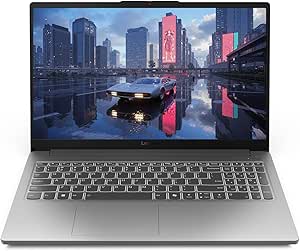 | Best Entry-Level Student Pick | Processor: Intel Core i5-12450HX | Graphics: NVIDIA GeForce RTX 4050 | Memory: 8GB RAM | VIEW ON AMAZON | See Our Full Breakdown |
| HP Victus 15.6″ Full HD 144Hz Gaming Laptop, Intel Core i5-12450H, NVIDIA GeForce RTX 3050, 16GB RAM, 512GB PCIe SSD, Wi-Fi 6, Backlit Keyboard, Windows 11 Pro, Performance Blue |  | Best for RTX Gaming on a Tighter Spec Brief | Processor: Intel Core i5-12450H | Graphics: NVIDIA GeForce RTX 3050, 6GB GDDR6 | Memory: 16GB DDR4-3200; listing states support up to 64GB | VIEW ON AMAZON | See Our Full Breakdown |
| GIGABYTE Gaming A16 AMD Ryzen 7 2600 NVIDIA GeForce RTX 5060 16″ Laptop |  | Best Flexible-Layout RTX 5060 Pick | Processor: AMD Ryzen 7 2600 | Graphics: NVIDIA GeForce RTX 5060 | Display: 16-inch, 165Hz, 16:10 aspect ratio | VIEW ON AMAZON | See Our Full Breakdown |
| ASUS TUF Gaming F16 Gaming Laptop, 16” FHD+ 144Hz IPS Display, Intel Core i5-210H, NVIDIA GeForce RTX 4050, 16GB DDR5, 512GB SSD, Wi-Fi 6, Windows 11 Home |  | Best for Durability | Display: 16-inch FHD+ IPS, 144Hz | Processor: Intel Core i5-210H | Graphics: NVIDIA GeForce RTX 4050 | VIEW ON AMAZON | See Our Full Breakdown |
| MSI Thin 15 Gaming Laptop (15.6″ FHD 144Hz, Intel Core i7-13620H, NVIDIA RTX 4050, 16GB RAM, 512GB SSD) |  | Best for Portable Performance | Model: B13VE-2678US | Display: 15.6-inch FHD (1920 x 1080), 144Hz | Processor: Intel Core i7-13620H | VIEW ON AMAZON | See Our Full Breakdown |
| Lenovo LOQ 15.6″ Full HD Gaming Laptop, AMD Ryzen 5 7235HS, 16GB Memory, NVIDIA GeForce RTX 4050, 512GB SSD, Luna Grey |  | Best Simple RTX 4050 Pick | Display: 15.6-inch Full HD (1920 x 1080) | Processor: AMD Ryzen 5 7235HS | Graphics: NVIDIA GeForce RTX 4050 | VIEW ON AMAZON | See Our Full Breakdown |
| Acer Nitro V 15 Gaming Laptop (ANV15-52-76NK) – Intel Core i7-13620H, RTX 4050, 16GB DDR5, 1TB SSD, 15.6″ FHD 165Hz |  | Best Overall RTX 4050 Configuration | Model: ANV15-52-76NK | Processor: Intel Core i7-13620H | Graphics: NVIDIA GeForce RTX 4050 Laptop GPU (194 AI TOPS) | VIEW ON AMAZON | See Our Full Breakdown |
| HP Victus 15.6″ FHD Gaming Laptop with Core i5-13420H and GeForce RTX 4050 |  | Best for Upgrade Flexibility | Processor: Intel Core i5-13420H, 8 cores, 12 threads, 2.1GHz base, 4.6GHz turbo | Graphics: NVIDIA GeForce RTX 4050, 6GB GDDR6 | Display: 15.6-inch FHD (1920 x 1080), 144Hz, anti-glare | VIEW ON AMAZON | See Our Full Breakdown |
| gaming laptops with rtx graphic | Processor | Graphics | Display | Memory |
|---|---|---|---|---|
| Lenovo LOQ Gaming Laptop | AMD Ryzen 5 7235HS, 4 cores and 8 threads, up to 4.2GHz | NVIDIA GeForce RTX 4050 Laptop GPU, 6GB GDDR6 | 15.6-inch FHD IPS, 1920 x 1080, 144Hz, 300 nits, G-SYNC | 16GB DDR5 |
| HP NVIDIA GeForce RTX 4050 Lap | Intel Core i5-13420H, 8 cores, up to 4.6GHz | NVIDIA GeForce RTX 4050 Laptop GPU, 6GB GDDR6 | 15.6-inch Full HD, 1920 x 1080, 144Hz, anti-glare | 16GB DDR4 |
| ASUS ROG Strix G16 | Intel Core i7-14650HX | NVIDIA GeForce RTX 5060 Laptop GPU, Blackwell architecture, DLSS 4 | 16-inch FHD+ 16:10, 165Hz, 3ms | 16GB DDR5-5600 |
| GIGABYTE Gaming A16 | Intel Core i7-13620H | NVIDIA GeForce RTX 5070 Laptop GPU | 16-inch, 16:10, 165Hz | — |
| Acer Nitro V 15 Gaming Laptop | Intel Core i5-13420H | NVIDIA GeForce RTX 4050 Laptop GPU | 15.6-inch FHD IPS, 1920 x 1080, 165Hz | 8GB DDR5, expandable to 32GB |
| Lenovo LOQ 15.6" Gaming Laptop | AMD Ryzen 7 250 | NVIDIA GeForce RTX 5060, 8GB GDDR7 | 15.6-inch FHD IPS, 144Hz, 300 nits | 16GB DDR5, expandable to 32GB |
| Acer Nitro V 16S AI Gaming Lap | AMD Ryzen 7 260 | NVIDIA GeForce RTX 5060 Laptop GPU | 16-inch WUXGA IPS, 180Hz, 100% sRGB | 32GB DDR5, 5600MHz |
| Lenovo LOQ Essential AI-Powere | Intel Core i5-12450HX | NVIDIA GeForce RTX 4050 | 15.6-inch FHD IPS, 144Hz | 8GB RAM |
| HP Victus 15.6" Full HD 144Hz | Intel Core i5-12450H | NVIDIA GeForce RTX 3050, 6GB GDDR6 | 15.6-inch FHD IPS, 144Hz, anti-glare | 16GB DDR4-3200; listing states support up to 64GB |
| GIGABYTE Gaming A16 AMD Ryzen | AMD Ryzen 7 2600 | NVIDIA GeForce RTX 5060 | 16-inch, 165Hz, 16:10 aspect ratio | — |
| ASUS TUF Gaming F16 Gaming Lap | Intel Core i5-210H | NVIDIA GeForce RTX 4050 | 16-inch FHD+ IPS, 144Hz | 16GB DDR5 |
| MSI Thin 15 Gaming Laptop | Intel Core i7-13620H | NVIDIA GeForce RTX 4050 | 15.6-inch FHD (1920 x 1080), 144Hz | 16GB DDR4 |
| Lenovo LOQ 15.6" Full HD Gamin | AMD Ryzen 5 7235HS | NVIDIA GeForce RTX 4050 | 15.6-inch Full HD (1920 x 1080) | 16GB |
| Acer Nitro V 15 Gaming Laptop | Intel Core i7-13620H | NVIDIA GeForce RTX 4050 Laptop GPU (194 AI TOPS) | 15.6-inch FHD IPS, 165Hz, 16:9 | 16GB DDR5, 2 slots, maximum 32GB |
| HP Victus 15.6" FHD Gaming Lap | Intel Core i5-13420H, 8 cores, 12 threads, 2.1GHz base, 4.6GHz turbo | NVIDIA GeForce RTX 4050, 6GB GDDR6 | 15.6-inch FHD (1920 x 1080), 144Hz, anti-glare | 16GB DDR4 installed, expandable to 32GB |
More Details on Our Top Picks
Lenovo LOQ Gaming Laptop, GeForce RTX 4050, AMD Ryzen 5 7235HS Processor
The Lenovo LOQ pairs an RTX 4050 with a 144Hz G-SYNC display, a useful match for players who want smoother Full HD gaming without moving to a larger, more expensive GPU tier. G-SYNC can reduce distracting tearing when frame rates vary, while the 300-nit IPS panel and anti-glare finish suit desk or dorm use. Compared with the Acer Nitro V 15, the LOQ has a slower 144Hz refresh rate than that model’s 165Hz panel, but its listed 16GB memory avoids the Nitro’s 8GB starting point. The four-core Ryzen 5 is the main compromise: it is less suited to demanding multitasking than the Victus’s eight-core Core i5. I’d choose the LOQ for a practical gaming setup, not CPU-heavy creative work or frequent travel; it weighs about 5.3 pounds.
Pros:- RTX 4050 graphics and a 144Hz Full HD IPS panel suit high-refresh 1080p gaming.
- G-SYNC helps smooth visual tearing when frame rates fluctuate.
- Listed configuration includes 16GB DDR5 memory and a 512GB PCIe SSD.
- Ports include HDMI 2.1, USB-C with DisplayPort, and Ethernet.
Cons:- Four-core Ryzen 5 has less multitasking headroom than the Victus’s eight-core Core i5.
- The 144Hz screen is slower than the 165Hz panels on the Acer Nitro V 15 and ASUS ROG Strix G16.
- At about 5.3 pounds, it is not a particularly light everyday carry.
Best for: 1080p gamers who want G-SYNC, 16GB memory, and a useful mix of USB, HDMI, and wired Ethernet connections.
Not ideal for: Players who run CPU-heavy games or workloads alongside streaming, or commuters seeking a lightweight laptop.
- Processor:AMD Ryzen 5 7235HS, 4 cores and 8 threads, up to 4.2GHz
- Graphics:NVIDIA GeForce RTX 4050 Laptop GPU, 6GB GDDR6
- Display:15.6-inch FHD IPS, 1920 x 1080, 144Hz, 300 nits, G-SYNC
- Memory:16GB DDR5
- Storage:512GB PCIe SSD
- Wireless:Wi-Fi 6 and Bluetooth 5.2
- Ports:USB-C, 3 x USB-A, HDMI 2.1, Ethernet, and headset combo jack
- Battery:60Wh
- Weight:About 5.3 pounds
Our verdict“Choose the LOQ if G-SYNC and a well-connected 1080p RTX 4050 setup matter more than a faster CPU or a lighter chassis.”
HP NVIDIA GeForce RTX 4050 Laptop Gamer Victus 13420H 16GB RAM 512GB SSD 15.6″ Windows 11 Home English Keyboard
The Victus stands out among these RTX 4050 choices for its eight-core Intel Core i5-13420H, which gives it more room for multitasking and CPU-demanding games than the four-core Ryzen 5 in the Lenovo LOQ. Its 144Hz Full HD screen, 16GB DDR4 memory, and 512GB NVMe SSD make a straightforward gaming configuration, while the RTX 4050 keeps the focus on 1080p play. The tradeoff is a less modern memory generation than the LOQ’s DDR5, and the listing describes connectivity less fully than Lenovo’s detailed port selection. The stated weight of 7.1 pounds is also a serious drawback for anyone carrying a laptop daily. I’d favor this Victus over the LOQ when processor capacity is the priority, but not when portability or a clearly specified connection suite matters more.
Pros:- Eight-core Core i5-13420H offers stronger multitasking potential than the LOQ’s four-core Ryzen 5.
- RTX 4050 with 6GB GDDR6 targets Full HD gaming.
- 144Hz anti-glare display supports smoother motion than a standard-refresh panel.
- Includes 16GB RAM and a 512GB NVMe SSD.
Cons:- The listed 7.1-pound weight makes it cumbersome for regular travel.
- DDR4 memory is an older generation than the Lenovo LOQ’s DDR5.
- The product information gives limited detail about specific ports and wireless standards.
Best for: Players who multitask or run CPU-demanding games and want an eight-core Core i5 paired with RTX 4050 graphics.
Not ideal for: Students or commuters who carry their laptop often, or buyers who want DDR5 memory and detailed port specifications.
- Processor:Intel Core i5-13420H, 8 cores, up to 4.6GHz
- Graphics:NVIDIA GeForce RTX 4050 Laptop GPU, 6GB GDDR6
- Display:15.6-inch Full HD, 1920 x 1080, 144Hz, anti-glare
- Memory:16GB DDR4
- Storage:512GB NVMe PCIe SSD
- Operating system:Windows 11 Home
- Connectivity:USB-C, USB-A, HDMI, Ethernet, and audio
- Weight:7.1 pounds
Our verdict“Pick the Victus if you want an RTX 4050 laptop with a more capable multitasking CPU and can accept its heavy build.”
ASUS ROG Strix G16 (2025) Gaming Laptop, 16” FHD+ 16:10 165Hz/3ms, NVIDIA® GeForce RTX™ 5060, Intel® Core™ i7 Processor 14650HX, 16GB DDR5, 1TB Gen 4 SSD, Wi-Fi 7, Windows 11 Home, G615JMR-AS74
The ROG Strix G16 is the premium performance pick here: its RTX 5060 and Core i7-14650HX step beyond the RTX 4050 configurations in the Lenovo LOQ and Acer Nitro V 15, giving this lineup’s demanding-game option more graphics and processor headroom. The 16-inch 16:10 screen adds vertical workspace, and its 165Hz refresh rate with a stated 3ms response time favors fast-paced play. A 1TB Gen 4 SSD also provides more room for a game library than the 512GB drives in those RTX 4050 models. ASUS lists vapor-chamber cooling, three fans, and liquid metal, plus Wi-Fi 7. The compromises are its more performance-focused, feature-heavy design and only 16GB of included memory; buyers seeking a simpler, lighter everyday machine may prefer the LOQ.
Pros:- RTX 5060 graphics step above the RTX 4050 GPUs in the LOQ and Nitro V 15.
- Core i7-14650HX and 16GB DDR5 support demanding games and multitasking.
- 16-inch 16:10 display combines 165Hz refresh with a stated 3ms response time.
- 1TB Gen 4 SSD and Wi-Fi 7 offer more storage and newer wireless capability.
Cons:- Only 16GB RAM is listed, which may constrain heavy multitasking or memory-intensive workloads.
- Its performance-oriented cooling and RGB lighting may be excessive for buyers wanting a restrained everyday laptop.
- The larger 16-inch format is less compact than the 15.6-inch RTX 4050 alternatives.
Best for: Gamers seeking stronger GPU and CPU capability, a 16:10 high-refresh display, and more built-in storage than the RTX 4050 options.
Not ideal for: Casual players who mainly need an affordable-feeling Full HD setup, or buyers who want more than 16GB RAM without upgrading.
- Processor:Intel Core i7-14650HX
- Graphics:NVIDIA GeForce RTX 5060 Laptop GPU, Blackwell architecture, DLSS 4
- Display:16-inch FHD+ 16:10, 165Hz, 3ms
- Memory:16GB DDR5-5600
- Storage:1TB PCIe Gen 4 SSD
- Wireless:Wi-Fi 7
- Cooling:Vapor chamber, tri-fan cooling, and Conductonaut Extreme liquid metal
- Operating system:Windows 11 Home
- Lighting:360-degree RGB light bar and keyboard lighting
Our verdict“Choose the ROG Strix G16 when you want this group’s stronger RTX 5060 performance, a fast 16:10 screen, and 1TB storage.”
GIGABYTE Gaming A16 – Intel i7-13620H GeForce RTX 5070 16″ Laptop
For buyers putting graphics capability first, the GIGABYTE Gaming A16 brings an RTX 5070, the highest GPU tier listed among these five products. That gives it a clear graphics-led distinction from the ASUS ROG Strix G16 with RTX 5060 and the RTX 4050 laptops, though the available description does not provide power limits or benchmark results to quantify the gap. Its 16-inch 165Hz 16:10 display offers more vertical room than the 15.6-inch screens on the Lenovo LOQ and HP Victus. The 19.45mm chassis and 180-degree hinge add practical flexibility, while Dolby Atmos is a useful audio feature. The listing omits memory, storage, and battery details, so I’d verify the exact configuration before choosing it over the better-specified ROG Strix.
Pros:- RTX 5070 is the highest listed GPU tier in this five-laptop selection.
- 16-inch 165Hz 16:10 display offers a spacious, smooth gaming view.
- 19.45mm chassis is slim for a gaming laptop.
- 180-degree hinge and Dolby Atmos add flexibility for shared viewing and media.
Cons:- The product data does not specify memory or storage capacity.
- No battery capacity or weight is provided, making portability harder to judge.
- Unlike the ROG Strix G16 listing, the description gives few details about cooling or display response time.
Best for: Gamers prioritizing an RTX 5070 and a 16-inch high-refresh screen in a relatively slim chassis.
Not ideal for: Buyers who need confirmed RAM, SSD, battery, or detailed gaming-performance specifications before making a choice.
- Processor:Intel Core i7-13620H
- Graphics:NVIDIA GeForce RTX 5070 Laptop GPU
- Display:16-inch, 16:10, 165Hz
- Operating system:Windows 11 Home
- Chassis thickness:19.45mm (0.76 inches)
- Hinge:180-degree hinge
- Audio:Dolby Atmos
- AI assistant:GiMATE
Our verdict“Consider the Gaming A16 if RTX 5070 graphics are your priority, but confirm its memory and storage configuration before buying.”
Acer Nitro V 15 Gaming Laptop (ANV15-52-586Z)
The Acer Nitro V 15 makes the most sense for buyers comfortable planning a memory upgrade: it pairs an RTX 4050 with a 165Hz IPS display, but ships with just 8GB of DDR5. That memory ceiling is the key distinction from the Lenovo LOQ and HP Victus, both listed with 16GB; demanding newer games and multitasking can make the Nitro’s base configuration feel constrained. Acer says the memory can be expanded to 32GB, giving owners a clear route to address that limitation. The 512GB Gen 4 SSD is another practical constraint as game libraries grow. Compared with the Victus, the Nitro offers a faster refresh rate and Thunderbolt 4, but has half the listed memory. I’d choose it for the display and upgrade path, not if I need a ready-to-go 16GB setup.
Pros:- 165Hz Full HD IPS panel offers a higher refresh rate than the Lenovo LOQ and HP Victus.
- RTX 4050 supports DLSS 3.5 and ray-tracing features.
- DDR5 memory is expandable to 32GB.
- Thunderbolt 4, Wi-Fi 6, and Killer Ethernet provide flexible connectivity.
Cons:- 8GB RAM is less than the 16GB listed for the Lenovo LOQ and HP Victus.
- 512GB SSD can fill quickly with modern game installations.
- The listed configuration may need a memory upgrade for demanding games and heavier multitasking.
Best for: Buyers who want an RTX 4050, a 165Hz screen, Thunderbolt 4, and are willing to expand the 8GB memory.
Not ideal for: Players who want to run demanding games and multitask immediately without adding memory, or who need ample built-in storage.
- Model:ANV15-52-586Z
- Processor:Intel Core i5-13420H
- Graphics:NVIDIA GeForce RTX 4050 Laptop GPU
- Display:15.6-inch FHD IPS, 1920 x 1080, 165Hz
- Memory:8GB DDR5, expandable to 32GB
- Storage:512GB PCIe Gen 4 SSD
- Connectivity:Wi-Fi 6, Killer Ethernet E2600, and Thunderbolt 4
- Keyboard:Backlit
- Graphics features:DLSS 3.5 support
Our verdict“Pick the Nitro V 15 if you value its 165Hz screen and Thunderbolt 4 and are prepared to upgrade its 8GB RAM.”
Lenovo LOQ 15.6″ Gaming Laptop (AMD Ryzen 7 250, RTX 5060, 16GB RAM, 512GB SSD, Luna Grey)
The Lenovo LOQ pairs an RTX 5060 with 16GB of expandable DDR5, making it a flexible choice for gaming now and a memory upgrade later. Its 144Hz FHD screen is a practical match for the GPU: it favors high-refresh play at 1080p over the extra pixel detail of a higher-resolution panel. Compared with the Acer Nitro V 16S AI, it has less memory and storage out of the box, but its listed RAM expansion to 32GB gives owners a clear upgrade path. The tradeoffs are a 512GB SSD, which can fill quickly with large games, and a 5.3-pound chassis that is not especially light. The listed 4.2Wh battery capacity also appears unusually low, so I would verify battery details before buying.
Pros:- RTX 5060 graphics and Ryzen 7 250 processor suit demanding gaming and content creation
- 144Hz FHD IPS display supports high-refresh gaming
- RAM is expandable to 32GB
- HDMI 2.1 and USB-C Gen 2 provide useful display and peripheral connections
Cons:- 512GB SSD leaves limited room for a large game library
- Heavier than a portable-first laptop at 5.3 pounds
- Listed 4.2Wh battery capacity appears unusually low and merits verification
Best for: 1080p gamers who want RTX 5060 graphics and the option to expand memory after purchase
Not ideal for: Buyers who want ample storage and 32GB RAM out of the box, or who need a clearly documented all-day battery
- Processor:AMD Ryzen 7 250
- Graphics:NVIDIA GeForce RTX 5060, 8GB GDDR7
- Memory:16GB DDR5, expandable to 32GB
- Storage:512GB SSD
- Display:15.6-inch FHD IPS, 144Hz, 300 nits
- Operating system:Windows 11 Home
- Weight:5.3 pounds
- Connectivity:Wi-Fi 6, Bluetooth 5.3, HDMI 2.1, USB-C Gen 2
Our verdict“Choose the LOQ if you want RTX 5060 performance with a defined memory upgrade path and can accept modest storage and uncertain battery details.”
Acer Nitro V 16S AI Gaming Laptop
The Acer Nitro V 16S AI is the most complete out-of-box setup among these RTX 5060 picks: 32GB of DDR5 and a 1TB Gen 4 SSD leave more room for multitasking and game installs than the Lenovo LOQ’s 16GB and 512GB. Its 16-inch WUXGA screen adds vertical space for work, while the 180Hz refresh rate and 100% sRGB coverage serve both fast games and color-conscious creative tasks. That combination makes it less dependent on immediate upgrades than the LOQ. The compromise is resolution: WUXGA remains 1920×1200, not a sharper high-resolution gaming panel, and the stated memory ceiling is 32GB. I’d pick this Acer for a ready-to-use configuration, but buyers focused on expandable memory or higher display resolution should compare alternatives before choosing.
Pros:- 32GB DDR5 memory supports heavier multitasking without an immediate upgrade
- 1TB PCIe Gen 4 SSD provides more game and project space than the Lenovo LOQ configuration
- 180Hz WUXGA display supports fluid motion
- 100% sRGB coverage suits color-sensitive creative work
Cons:- WUXGA resolution is limited to 1920×1200
- Maximum memory capacity is capped at 32GB
- Wi-Fi 6 is the only listed connectivity detail, leaving other port options unclear
Best for: Gamers and student creators who want an RTX 5060 laptop with generous memory and storage already installed
Not ideal for: Users planning to expand beyond 32GB RAM or seeking a higher-resolution display for detailed visuals
- Processor:AMD Ryzen 7 260
- Graphics:NVIDIA GeForce RTX 5060 Laptop GPU
- Memory:32GB DDR5, 5600MHz
- Storage:1TB PCIe Gen 4 SSD
- Display:16-inch WUXGA IPS, 180Hz, 100% sRGB
- Connectivity:Wi-Fi 6
- Model:ANV16S-41-R2AJ
Our verdict“Pick the Nitro V 16S if you want an RTX 5060 system with 32GB RAM and 1TB storage ready from the start, and WUXGA resolution is enough for you.”
Lenovo LOQ Essential AI-Powered Student Gaming Laptop – Intel Core i5-12450HX, 15.6″ FHD IPS Display, 144Hz, NVIDIA GeForce RTX 4050, 8GB RAM, 512GB SSD, Luna Grey
This LOQ Essential is the entry point in this group for students who want RTX graphics for gaming and schoolwork without stepping up to the RTX 5060 systems. The RTX 4050 and 144Hz FHD display give it a gaming-focused foundation, while the full-sized keyboard and rapid-charge feature suit everyday campus use. Compared with the HP Victus RTX 3050, its RTX 4050 graphics are the more current tier in this lineup; compared with the RTX 5060 Lenovo LOQ, it gives up graphics headroom. The main limitation is its 8GB of RAM, which can constrain newer games and multitasking, and the listing does not clarify upgrade options or port selection. I’d treat it as a starter configuration rather than a long-term, high-demand gaming machine.
Pros:- RTX 4050 graphics provide a stronger gaming tier than the listed HP Victus RTX 3050
- 144Hz FHD IPS display supports smooth motion in compatible games
- Full-sized keyboard is practical for coursework and everyday typing
- Rapid-charge feature can help during short breaks between classes
Cons:- 8GB RAM may limit newer games and multitasking
- 512GB SSD may require frequent library management for large games
- Listing does not specify port selection or memory expansion options
Best for: Students who need one laptop for coursework and casual-to-moderate 1080p gaming and are comfortable checking memory upgrade options
Not ideal for: Players who run demanding games alongside streaming or heavy applications, since 8GB RAM can become a bottleneck
- Processor:Intel Core i5-12450HX
- Graphics:NVIDIA GeForce RTX 4050
- Memory:8GB RAM
- Storage:512GB SSD
- Display:15.6-inch FHD IPS, 144Hz
- Keyboard:Full-sized, 1.3mm key travel
- Cooling:Advanced cooling with 100mm fan
- Battery feature:Rapid-charge technology
Our verdict“Choose this LOQ Essential as a student-focused RTX 4050 starter, but look to the RTX 5060 LOQ or Acer Nitro if you need more gaming headroom or memory out of the box.”
HP Victus 15.6″ Full HD 144Hz Gaming Laptop, Intel Core i5-12450H, NVIDIA GeForce RTX 3050, 16GB RAM, 512GB PCIe SSD, Wi-Fi 6, Backlit Keyboard, Windows 11 Pro, Performance Blue
The HP Victus is the most conservative graphics choice here, pairing an RTX 3050 with 16GB of RAM and a 144Hz FHD screen. That memory allocation makes its baseline more comfortable for multitasking than the 8GB Lenovo LOQ Essential, but its GPU sits below the RTX 4050 LOQ and well behind the RTX 5060 laptops for graphics headroom. The 6GB of graphics memory and 512GB SSD point toward a sensible 1080p setup rather than a machine for the most demanding settings or a huge installed library. It does offer Windows 11 Pro, Wi-Fi 6, and a backlit keyboard. The listing mentions upgrades up to 64GB RAM and 2TB storage, but those are maximum configurations, not the included setup, so I would confirm the exact unit’s upgrade details.
Pros:- 16GB RAM is a stronger starting point for multitasking than the 8GB Lenovo LOQ Essential
- 144Hz FHD IPS anti-glare display
- Windows 11 Pro and Wi-Fi 6 are included
- Listing describes potential expansion up to 64GB RAM and 2TB SSD
Cons:- RTX 3050 is a lower graphics tier than the RTX 4050 and RTX 5060 options in this roundup
- 6GB graphics memory and 512GB SSD may limit demanding games and a large install library
- Advertised 64GB RAM and 2TB storage are upgrade ceilings, not confirmed included components
Best for: Players prioritizing 16GB system memory, Windows 11 Pro, and 1080p gaming in a less graphics-intensive RTX configuration
Not ideal for: Gamers seeking the strongest graphics performance in this group or expecting the advertised maximum memory and storage to be included
- Processor:Intel Core i5-12450H
- Graphics:NVIDIA GeForce RTX 3050, 6GB GDDR6
- Memory:16GB DDR4-3200; listing states support up to 64GB
- Storage:512GB PCIe SSD; listing states support up to 2TB
- Display:15.6-inch FHD IPS, 144Hz, anti-glare
- Operating system:Windows 11 Pro
- Connectivity:Wi-Fi 6, Bluetooth
- Weight:7 pounds
Our verdict“Choose the Victus if 16GB RAM and Windows 11 Pro matter more than having the strongest GPU, but favor the RTX 4050 or RTX 5060 alternatives for greater gaming headroom.”
GIGABYTE Gaming A16 AMD Ryzen 7 2600 NVIDIA GeForce RTX 5060 16″ Laptop
The GIGABYTE Gaming A16 suits buyers who want RTX 5060 graphics in a 16-inch, 16:10 format with a hinge that opens flat for shared viewing or desk setups. Its 165Hz refresh rate lands between the Acer Nitro V 16S AI’s 180Hz and the Lenovo LOQ’s 144Hz, so it balances responsive play with a roomier work layout. The 180-degree hinge, Dolby Atmos audio, and slim 19.45mm chassis distinguish it more through everyday flexibility than through a listed memory or storage advantage; those capacities are not provided here. The Acer is the clearer choice if you want specified 32GB RAM and 1TB storage out of the box. I’d favor the GIGABYTE for its screen format and hinge, while treating missing configuration details as a reason to confirm the exact model before purchase.
Pros:- RTX 5060 graphics paired with a 16-inch display
- 16:10 aspect ratio provides extra vertical workspace compared with standard 16:9 screens
- 165Hz refresh rate supports fluid gaming
- 180-degree hinge and Dolby Atmos add flexibility for shared viewing and media
Cons:- Memory and storage capacities are not specified in the supplied product details
- 165Hz is below the Acer Nitro V 16S AI’s listed 180Hz refresh rate
- No display resolution or color coverage is provided
Best for: Gamers and hybrid users who value a 16:10 screen, a fold-flat hinge, and RTX 5060 graphics for play and desk work
Not ideal for: Buyers who need confirmed RAM and SSD capacities before choosing, or who want the highest listed refresh rate among the RTX 5060 options
- Processor:AMD Ryzen 7 2600
- Graphics:NVIDIA GeForce RTX 5060
- Display:16-inch, 165Hz, 16:10 aspect ratio
- Hinge:180-degree
- Chassis thickness:19.45mm
- Operating system:Windows 11 Home
- Audio:Dolby Atmos
- Additional feature:GiMATE AI assistant
Our verdict“Pick the GIGABYTE Gaming A16 for its flexible 16:10 layout and fold-flat hinge, but verify RAM, storage, and display resolution before deciding against the better-documented Acer Nitro.”
ASUS TUF Gaming F16 Gaming Laptop, 16” FHD+ 144Hz IPS Display, Intel Core i5-210H, NVIDIA GeForce RTX 4050, 16GB DDR5, 512GB SSD, Wi-Fi 6, Windows 11 Home
The ASUS TUF Gaming F16 is a good fit for buyers who want an RTX 4050 system with a larger screen and a sturdier-than-usual build. Its 16-inch 144Hz display gives games more room than the MSI Thin 15 or Acer Nitro V 15, while the listed 100% sRGB coverage also suits users who care about vivid color outside gaming. Military-grade durability and an efficient cooling system are useful advantages for a laptop that may be carried around and played on regularly.
Compared with the Acer Nitro V 15, the TUF has less listed storage and a lower refresh rate, and its Core i5 is a more modest pairing than the Acer’s Core i7. The tradeoff is a focus on build resilience rather than stronger listed multitasking specifications. Choose it for durability and screen size; skip it if you want a faster processor or more room for a large game library.
Pros:- 16-inch FHD+ IPS display with 144Hz refresh rate and listed 100% sRGB coverage
- Military-grade durability is suited to frequent transport
- RTX 4050 graphics support modern PC gaming
- Efficient cooling is designed to support sustained play
Cons:- Core i5 processor is a less powerful listed configuration than the Core i7 Acer Nitro V 15 and MSI Thin 15
- 512GB SSD offers less room for a game library than the Acer Nitro V 15’s 1TB drive
- Product data does not specify port selection or upgrade options
Best for: Gamers and students who carry a laptop frequently and want an RTX 4050, a 16-inch screen, and a durable chassis.
Not ideal for: Competitive players prioritizing the highest refresh rate or buyers who need a strong listed processor and ample built-in storage.
- Display:16-inch FHD+ IPS, 144Hz
- Processor:Intel Core i5-210H
- Graphics:NVIDIA GeForce RTX 4050
- Memory:16GB DDR5
- Storage:512GB PCIe Gen4 SSD
- Connectivity:Wi-Fi 6
- Operating system:Windows 11 Home
Our verdict“Pick the TUF Gaming F16 if a durable build and larger display matter more than the faster processor and bigger SSD listed on the Acer Nitro V 15.”
MSI Thin 15 Gaming Laptop (15.6″ FHD 144Hz, Intel Core i7-13620H, NVIDIA RTX 4050, 16GB RAM, 512GB SSD)
The MSI Thin 15 pairs an RTX 4050 with a Core i7-13620H in a slim, lightweight design, making it the portability pick among these RTX 4050 laptops. Its 15.6-inch 144Hz screen targets smooth 1080p play, and the i7 gives it a stronger listed processor than the Core i5 in the ASUS TUF Gaming F16. That combination also makes the MSI a sensible choice for users who switch between gaming and processor-heavy work.
The slim format comes with a memory compromise: it uses 16GB DDR4, while the ASUS TUF and Acer Nitro V 15 list DDR5. Its 512GB SSD also holds fewer large games than the Acer’s 1TB drive. Cooler Boost is intended to manage heat during longer sessions, but this is still the pick for mobility, not for buyers seeking the roomiest storage or the newest memory standard.
Pros:- Slim, lightweight design is suited to carrying between home, work, or class
- Core i7-13620H offers a stronger listed processor than the Core i5 in the ASUS TUF Gaming F16
- 144Hz FHD display supports smooth gameplay
- Cooler Boost technology is designed to manage heat during extended sessions
Cons:- 16GB DDR4 is an older memory standard than the DDR5 listed for the ASUS TUF and Acer Nitro V 15
- 512GB SSD can fill quickly with large game installations
- 15.6-inch display is smaller than the ASUS TUF Gaming F16’s 16-inch screen
Best for: Students and commuters who want a relatively slim RTX 4050 laptop for 1080p gaming, classes, and multitasking.
Not ideal for: Buyers who want DDR5 memory, a large game library installed at once, or a bigger screen than 15.6 inches.
- Model:B13VE-2678US
- Display:15.6-inch FHD (1920 x 1080), 144Hz
- Processor:Intel Core i7-13620H
- Graphics:NVIDIA GeForce RTX 4050
- Memory:16GB DDR4
- Storage:512GB NVMe SSD
- Connectivity:Wi-Fi 6E
- Operating system:Windows 11 Home
Our verdict“Choose the MSI Thin 15 if carrying a slim RTX 4050 laptop and having a Core i7 matter more than DDR5 memory or a larger SSD.”
Lenovo LOQ 15.6″ Full HD Gaming Laptop, AMD Ryzen 5 7235HS, 16GB Memory, NVIDIA GeForce RTX 4050, 512GB SSD, Luna Grey
The Lenovo LOQ 15.6-inch keeps its listed setup straightforward: a Ryzen 5 7235HS, 16GB of memory, an RTX 4050, and a 512GB SSD. That gives buyers the core ingredients for Full HD gaming without leaning on extra claims about refresh rate, connectivity, or upgrade features that the supplied product details do not confirm. Its 15.6-inch Full HD display and portable design make it a practical everyday format.
Compared with the MSI Thin 15, the LOQ lists a Ryzen 5 rather than a Core i7 and does not specify a 144Hz panel, so it is harder to recommend for buyers focused on processor headroom or fast screen refresh. The MSI, ASUS TUF, and Acer Nitro V also provide more detailed feature information. This LOQ suits shoppers who want a direct RTX 4050 configuration, but the sparse specifications make it less compelling for anyone choosing by display speed or connectivity.
Pros:- NVIDIA GeForce RTX 4050 graphics provide a capable gaming-focused GPU
- 16GB memory supports gaming and everyday multitasking
- 512GB SSD provides solid-state game and system storage
- 15.6-inch Full HD form factor balances screen space with portability
Cons:- Display refresh rate is not specified in the supplied product data
- Ryzen 5 7235HS is a less powerful listed processor than the Core i7-13620H in the MSI Thin 15 and Acer Nitro V 15
- Connectivity, battery life, and upgrade details are not provided
Best for: Everyday gamers who want an RTX 4050 laptop with 16GB memory and a Full HD screen without needing a specified high refresh rate.
Not ideal for: Competitive players who require a confirmed 144Hz-or-faster panel, or buyers who want detailed connectivity and upgrade information before choosing.
- Display:15.6-inch Full HD (1920 x 1080)
- Processor:AMD Ryzen 5 7235HS
- Graphics:NVIDIA GeForce RTX 4050
- Memory:16GB
- Storage:512GB SSD
- Color:Luna Grey
Our verdict“Choose this LOQ for a straightforward RTX 4050 and 16GB setup, but favor the MSI Thin 15 or Acer Nitro V 15 if processor and display details are priorities.”
Acer Nitro V 15 Gaming Laptop (ANV15-52-76NK) – Intel Core i7-13620H, RTX 4050, 16GB DDR5, 1TB SSD, 15.6″ FHD 165Hz
The Acer Nitro V 15 earns the strongest all-around position in this group by pairing an RTX 4050 with a Core i7-13620H, 16GB DDR5, and a 1TB Gen 4 SSD. That larger drive gives it a clear practical advantage over the 512GB ASUS TUF Gaming F16, MSI Thin 15, and Lenovo LOQ: fewer installed games need to be moved or deleted. Its 165Hz FHD display also has a higher listed refresh rate than those rivals’ 144Hz screens.
For connectivity, Wi-Fi 6, Killer Ethernet, and Thunderbolt 4 add options beyond the basics, while two memory slots allow expansion up to 32GB. It is a better-equipped package than the MSI Thin 15, though both list the same Core i7 processor. The tradeoff is that the supplied data gives no battery-life or thermal-performance figures, so buyers planning long unplugged sessions should not assume an advantage.
Pros:- Core i7-13620H and RTX 4050 suit gaming and demanding multitasking
- 165Hz FHD IPS display has a higher refresh rate than the 144Hz panels on the MSI Thin 15 and ASUS TUF Gaming F16
- 1TB PCIe Gen 4 SSD offers twice the listed capacity of several competitors here
- Thunderbolt 4, Killer Ethernet, and Wi-Fi 6 provide versatile connectivity
Cons:- Battery life is not specified in the supplied product information
- Thermal performance details are not provided, despite the gaming-focused configuration
- Memory expansion is capped at 32GB according to the listed specifications
Best for: PC gamers who want a fast-refresh 1080p screen, a Core i7, DDR5 memory, a 1TB SSD, and broad wired connectivity in one RTX 4050 laptop.
Not ideal for: Buyers whose main priority is verified battery endurance or a specifically documented lightweight chassis.
- Model:ANV15-52-76NK
- Processor:Intel Core i7-13620H
- Graphics:NVIDIA GeForce RTX 4050 Laptop GPU (194 AI TOPS)
- Display:15.6-inch FHD IPS, 165Hz, 16:9
- Memory:16GB DDR5, 2 slots, maximum 32GB
- Storage:1TB PCIe Gen 4 SSD
- Connectivity:Wi-Fi 6, Killer Ethernet E2600, Thunderbolt 4
- Keyboard:Backlit
Our verdict“The Acer Nitro V 15 is the strongest all-around choice here if you want the RTX 4050 paired with a 165Hz display, DDR5, and a 1TB SSD.”
HP Victus 15.6″ FHD Gaming Laptop with Core i5-13420H and GeForce RTX 4050
The HP Victus 15.6-inch is a practical RTX 4050 option for buyers who want room to expand after purchase. It arrives with 16GB DDR4 and a 1TB SSD, and the listed configuration supports memory upgrades up to 32GB and SSD capacity up to 2TB. That makes its starting storage substantially more generous than the 512GB drives in the ASUS TUF Gaming F16 and MSI Thin 15, while retaining a 144Hz FHD display for smoother motion.
The Core i5-13420H is a less powerful listed processor than the Core i7-13620H shared by the Acer Nitro V 15 and MSI Thin 15, and this Victus uses DDR4 rather than the Acer’s DDR5. Its 70Wh battery and stated runtime provide useful context, but gaming runtime can vary. At 5.06 pounds, it is also not the lightest carry. Pick it for storage and upgrade headroom, not the fastest listed CPU or an especially portable chassis.
Pros:- 1TB SSD comes with more listed capacity than the 512GB drives in the ASUS TUF Gaming F16 and MSI Thin 15
- Memory is expandable to 32GB and SSD capacity is listed up to 2TB
- 144Hz anti-glare FHD display supports smoother play
- 70Wh battery and listed runtime give buyers battery specifications to compare
Cons:- Core i5-13420H is a lower-tier listed processor than the Core i7-13620H in the Acer Nitro V 15 and MSI Thin 15
- DDR4 memory is an older standard than the DDR5 listed in the Acer Nitro V 15 and ASUS TUF Gaming F16
- At 5.06 pounds, it may feel heavy for frequent commuting
Best for: Gamers who want an RTX 4050 laptop with 1TB of installed storage and the option to expand memory and SSD capacity later.
Not ideal for: Buyers who prioritize a Core i7 processor, DDR5 memory, or a lighter laptop for frequent commuting.
- Processor:Intel Core i5-13420H, 8 cores, 12 threads, 2.1GHz base, 4.6GHz turbo
- Graphics:NVIDIA GeForce RTX 4050, 6GB GDDR6
- Display:15.6-inch FHD (1920 x 1080), 144Hz, anti-glare
- Memory:16GB DDR4 installed, expandable to 32GB
- Storage:1TB installed, expandable up to 2TB PCIe M.2 SSD
- Battery:70Wh, up to 8.5 hours stated
- Weight:5.06 lbs
- Ports:2 x USB 3.0, 1 x USB-C, HDMI, headphone/mic combo, Ethernet
- Operating system:Windows 11 Home
Our verdict“Choose the HP Victus if installed storage and future memory or SSD upgrades matter more to you than the stronger listed processors and DDR5 memory in the Acer Nitro V 15.”

How We Picked
I ranked these gaming laptops with RTX graphics by the usefulness of the configuration as listed, not by brand name or assumed performance. The main factors were GPU tier, processor pairing, RAM and SSD capacity, display refresh rate and format, plus practical differences such as Wi-Fi generation. A clearly specified RTX 5060 or RTX 5070 configuration can suit more demanding gaming better than an RTX 4050 or RTX 3050 listing, but the GPU alone does not settle the decision.
I gave higher placement to models that combine a stronger graphics tier with useful supporting features, which puts the ROG Strix G16 and RTX 5070 GIGABYTE near the top for different reasons. Among RTX 4050 laptops, I favored configurations with 16GB RAM, a good screen, or more storage over options with a more limited specification. Listings with incomplete model details are harder to compare, so I treated them cautiously rather than assuming unlisted features. These rankings are about fit and configuration; exact performance also depends on GPU power limits, cooling, and the specific SKU.
| gaming laptops with rtx graphic | Operating system |
|---|---|
| Lenovo LOQ Gaming Laptop | — |
| HP NVIDIA GeForce RTX 4050 Lap | Windows 11 Home |
| ASUS ROG Strix G16 | Windows 11 Home |
| GIGABYTE Gaming A16 | Windows 11 Home |
| Acer Nitro V 15 Gaming Laptop | — |
| Lenovo LOQ 15.6" Gaming Laptop | Windows 11 Home |
| Acer Nitro V 16S AI Gaming Lap | — |
| Lenovo LOQ Essential AI-Powere | — |
| HP Victus 15.6" Full HD 144Hz | Windows 11 Pro |
| GIGABYTE Gaming A16 AMD Ryzen | Windows 11 Home |
| ASUS TUF Gaming F16 Gaming Lap | Windows 11 Home |
| MSI Thin 15 Gaming Laptop | Windows 11 Home |
| Lenovo LOQ 15.6" Full HD Gamin | — |
| Acer Nitro V 15 Gaming Laptop | — |
| HP Victus 15.6" FHD Gaming Lap | Windows 11 Home |
Factors to Consider When Choosing Gaming Laptops With Rtx Graphics
Before choosing from this lineup, I’d separate the graphics tier from the rest of the laptop. The right fit depends on the games you play, the resolution and frame rate you want, and whether the machine also needs to handle school or work. These checks can prevent paying for a feature you will not use—or choosing a configuration that feels constrained sooner than expected.
Match the RTX Tier to Your Games and Screen
Start with the games and settings you actually expect to use rather than treating every RTX label as interchangeable. The listed RTX 5070 and RTX 5060 options sit above the many RTX 4050 models in this roundup, while the Victus RTX 3050 is the entry-tier choice here. Higher graphics settings, newer demanding games, and higher resolutions generally benefit from more GPU headroom. A fast-refresh 1080p screen does not automatically require the most powerful GPU, particularly if you play less demanding titles. Check independent performance results for the exact laptop SKU, since cooling and GPU power limits can change results between machines with the same graphics name.
Look Beyond Refresh Rate
A display’s refresh rate describes how often it can update, not whether a laptop can render every game at that rate. The listed screens range from 144Hz to 165Hz, with the ROG Strix G16 also specifying a 16:10 format and 3ms response time. Competitive players may value high refresh and quick response, while story-focused games can benefit more from resolution, color coverage, brightness, or contrast. Those image-quality details are not supplied for every model, so check the exact panel specifications before buying. Screen size also affects portability: a 16-inch laptop offers more workspace, while a 15.6-inch model may be easier to fit in a bag.
Choose Enough RAM—and Check Whether It Can Be Upgraded
For a gaming laptop that will also run a browser, voice chat, or school software, memory affects how comfortably those tasks can share the system. Most fully specified options here list 16GB, but the Lenovo LOQ Essential configuration lists 8GB. That lower amount may be workable for a tighter use case, yet buyers should check whether memory is upgradeable and whether the listing describes one or two modules. Do not assume that two laptops with the same GPU will feel equally capable if one has less memory. Confirm the installed capacity and upgrade path for the exact SKU before making a decision.
Treat Storage as Part of the Gaming Experience
A 512GB SSD appears across many configurations in this roundup, while the ROG Strix G16 and one Acer Nitro V 15 listing specify 1TB. Game installs, updates, recordings, and everyday files can fill a drive faster than expected, so storage capacity affects how often you need to remove games or add space. A smaller SSD can still suit someone who plays a few titles at a time, especially if the laptop allows an additional drive. Check how many storage slots are available and whether adding an SSD affects warranty coverage. Do not infer expandability from the product family name; confirm it for the exact model.
Balance Performance Against Portability and Cooling
A laptop’s GPU tier is only part of its sustained gaming performance: cooling design and power limits influence how well it can maintain speed during long sessions. Larger gaming laptops may have more room for cooling, but the product information here does not consistently state weight, fan noise, or GPU wattage. Look for those details in the exact model’s specifications if you plan to carry the machine daily or play for extended sessions. A thinner design can be easier to transport, yet it may involve different thermal and acoustic tradeoffs than a roomier chassis. Also check charger size and battery expectations, since gaming laptops are usually most capable when plugged in.
Verify the Exact Configuration Before Ordering
Several names in this roundup refer to product families or appear in more than one configuration, including Acer Nitro V 15 and Lenovo LOQ. Similar names do not guarantee the same processor, graphics card, screen, memory, or storage. Read the full model number and compare every listed component against the configuration you intended to buy. Pay attention to details that may be easy to overlook, such as the 8GB RAM in the LOQ Essential, the 1TB SSD in one Nitro V 15, or the RTX 3050 in the HP Victus. This final check matters more than relying on a series name or product photo.
Frequently Asked Questions
Should I choose an RTX 5060 laptop over an RTX 4050 model?
I would favor an RTX 5060 configuration if you play newer, graphics-heavy games or want more room for demanding settings over time. The RTX 4050 models may be a better fit when your game library is less demanding and other features—such as 16GB RAM, a preferred screen, or a larger SSD—matter more. In this lineup, the ROG Strix G16 and a Lenovo LOQ are specified with RTX 5060 graphics, while many alternatives use RTX 4050. Check performance results for the exact laptop, because GPU power limits and cooling affect real-world differences. Also compare the full configuration rather than choosing by GPU number alone.
Is the Lenovo LOQ Essential’s 8GB of RAM enough for gaming?
It may suit lighter gaming and basic everyday tasks, but 8GB leaves less room for a game, browser tabs, and voice chat to run together. Most of the fully specified alternatives in this roundup list 16GB, which gives those common workloads more breathing room. Before choosing the LOQ Essential, check whether its memory can be upgraded and whether an upgrade is straightforward on that exact model. If you do not want to open the laptop or pay for a memory upgrade later, a listed 16GB configuration is the simpler choice. The RTX 4050 does not remove memory limits elsewhere in the system.
Does a 165Hz screen make more sense than a 144Hz screen?
The difference is most relevant if you play fast-paced games and the laptop can produce frame rates high enough to use the extra refresh capacity. The ROG Strix G16 lists a 165Hz panel, while several models here specify 144Hz; both can provide smooth motion when paired with suitable game settings. Refresh rate alone does not tell you about brightness, color quality, resolution, or response behavior, so check those panel details too. If your priority is cinematic games, a better image-quality panel may matter more than the highest listed refresh rate. For competitive play, compare both the panel response and the GPU’s ability to sustain high frame rates.
Is a 512GB SSD enough for a gaming laptop?
It can be enough if you keep a limited selection of games installed and remove titles you no longer play. Several laptops in this roundup use 512GB, while the ROG Strix G16 and one Acer Nitro V 15 listing specify 1TB. Large games, updates, and captured footage can take up space quickly, so frequent players may prefer the larger drive or an upgrade path. Check whether the laptop has an open storage slot before assuming you can add capacity later. If expandability is unclear, treat the listed SSD size as the capacity you will have at the outset.
How do I avoid buying the wrong version of a laptop listed under a broad model name?
Use the complete product title and model number to confirm the GPU, processor, screen, memory, and SSD capacity before checkout. This matters especially for the Acer Nitro V 15 and Lenovo LOQ entries here, which include different configurations under similar family names. Compare the retailer’s configuration details with the specific option you want, rather than relying on a series name or image. If a key item such as GPU wattage, panel type, or upgradeability is missing, seek the exact SKU documentation. This check can prevent receiving a laptop with a different graphics tier or less memory than expected.
Conclusion
For the strongest balance of graphics tier and supporting features, I’d choose the ASUS ROG Strix G16 with RTX 5060 as the best overall pick. The Lenovo LOQ with RTX 5060 is my value-oriented choice for buyers who want that GPU tier in a more straightforward configuration, while the GIGABYTE Gaming A16 with RTX 5070 is the best premium-leaning option for those prioritizing the highest listed graphics tier. Beginners can start with an RTX 4050 laptop with 16GB RAM, such as the specified ASUS TUF or HP Victus, after checking the exact configuration. For a larger screen, consider the listed 16-inch models; for more built-in storage, compare the 1TB ROG Strix and Acer Nitro V 15 configuration. Whichever you choose, verify the exact SKU’s memory, screen, cooling, and upgrade options before deciding.
Fall Picks
fall essentials
As an affiliate, we earn on qualifying purchases.