
TL;DR

Get your wardrobe favorites delivered free with Prime
- Fast, free delivery on millions of items
- Prime Video, Amazon Music and more included
- Member-only deals all year
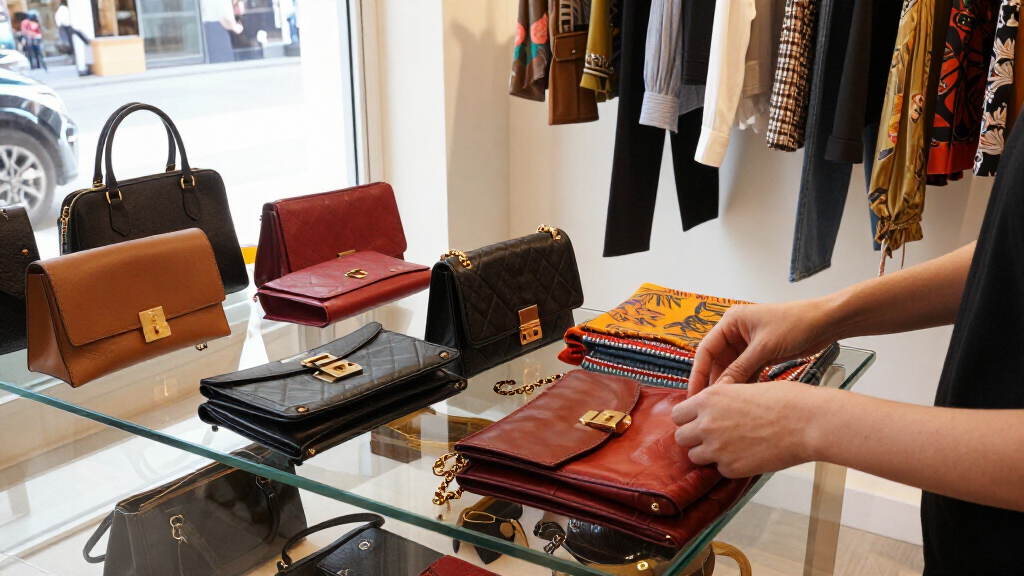
Emerging fashion designers are increasing their presence in the luxury resale market, driven by consumer interest in unique and sustainable fashion. Meanwhile, Old Navy is entering the beauty sector, expanding its product offerings. These developments reflect evolving retail strategies and consumer preferences.
Emerging fashion designers are gaining significant traction within the luxury resale market, according to recent trend signals, while Old Navy has announced its expansion into the beauty sector. These developments highlight shifting consumer preferences towards sustainable, unique fashion and affordable beauty products, impacting traditional retail strategies.
Market analysts report that emerging designers are increasingly featured on resale platforms, driven by rising consumer interest in exclusive, sustainable, and innovative fashion. This trend is supported by data showing a spike in searches and listings for designs from lesser-known labels, suggesting a growing appetite for fresh talent outside mainstream luxury brands.
Simultaneously, Old Navy, a major player in fast fashion, has announced plans to enter the beauty industry, expanding its product portfolio beyond clothing. The move aims to capitalize on the growing beauty market, which is valued at over $50 billion annually in the U.S., according to industry reports, and to attract a broader customer base seeking affordable, accessible beauty products.
Industry insiders note that these shifts reflect broader changes in retail and consumer behavior, emphasizing sustainability, individuality, and value-oriented shopping experiences. While specific details about Old Navy’s product line remain under wraps, insiders suggest a focus on skincare and makeup targeted at a younger demographic.
Why Emerging Designer Resale is Reshaping Luxury Markets
The rise of emerging designers in the luxury resale market signifies a democratization of high fashion, allowing new talents to reach wider audiences and challenging traditional luxury brand dominance. This trend supports sustainability by extending the lifecycle of unique pieces and appeals to consumers seeking individuality and eco-conscious options. For established brands, it signals a need to innovate and adapt to changing consumer values.
Old Navy’s entry into the beauty sector indicates a strategic shift among fast fashion retailers to diversify offerings and stay relevant amid declining clothing sales in some segments. It also reflects a broader industry trend where accessible brands are leveraging beauty and wellness to deepen customer engagement and loyalty.
luxury resale emerging designer clothing
As an affiliate, we earn on qualifying purchases.
As an affiliate, we earn on qualifying purchases.
Emerging Designers and Retail Shifts in Recent Years
Over the past few years, the luxury resale market has experienced rapid growth, with platforms like The RealReal and Depop facilitating the sale of secondhand designer items. Consumers increasingly favor sustainability and exclusivity, fueling demand for emerging designers’ pieces. Notably, younger shoppers are driving this trend, seeking unique styles that differentiate them from mass-market fashion.
Meanwhile, traditional retail brands like Old Navy have faced challenges from online competitors and changing consumer habits. In response, some have diversified into new categories such as beauty and wellness, aiming to attract younger demographics and expand their market share. Old Navy’s move into beauty aligns with similar strategies by other fast fashion brands seeking to leverage the lucrative beauty industry.
Industry experts note that these developments are part of a broader shift towards multi-category retailing, emphasizing experience, sustainability, and personalization, which are now central to consumer decision-making.
Unconfirmed Details About Market Impact and Future Plans
While trends indicate growing momentum for emerging designers in resale and Old Navy’s entry into beauty, specific data on sales figures, market share, and consumer response remains limited. It is not yet clear how these shifts will influence long-term retail strategies or whether they will lead to sustained growth.
Further details about Old Navy’s product lineup, branding, and marketing approach are still emerging, and industry insiders caution that the success of these initiatives will depend on execution and consumer reception.
Upcoming Developments and Market Responses
Industry observers expect increased listings and visibility for emerging designers on resale platforms, alongside potential collaborations between designers and brands. Market analysts will monitor sales data and consumer engagement metrics over the coming months to assess the impact of these trends.
Old Navy is likely to announce specific product lines and marketing campaigns related to its beauty expansion in the near future. Retailers and competitors will watch closely to see if these moves influence broader industry strategies or consumer preferences.
Key Questions
What are the main drivers behind emerging designers gaining momentum in resale?
Consumers are increasingly interested in sustainability, exclusivity, and supporting new talent, which boosts demand for emerging designers’ pieces in resale markets.
It represents a strategic diversification aimed at attracting a broader, younger customer base and capitalizing on the lucrative beauty market, which is valued at over $50 billion annually in the U.S.
Will these trends continue to grow?
While current indicators suggest growth, it remains uncertain how sustained these trends will be, pending further sales data and consumer response.
Are other fast fashion brands also entering the beauty sector?
Yes, several fast fashion retailers are exploring or expanding into beauty and wellness categories as part of their diversification strategies.
Source: rss
Halloween Picks
halloween
As an affiliate, we earn on qualifying purchases.